

Children begin to smile and laugh quite early in response to playful games, and it seems to parents that the baby understands them. Scientists have found that this is true: babies develop a sense of humor and emotions in response to it at a very early age. p> 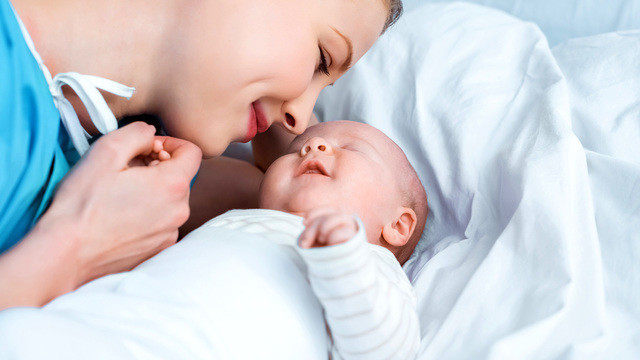
The first-of-its-kind study was conducted by specialists from the University of Bristol with the participation of parents of about 700 children, from newborns to 4 years old. The scientists wanted to find out at what age children first show signs of a sense of humor and when they start to joke themselves.
The authors of the study created a questionnaire of 20 questions and asked the parents of the little participants to answer them. It turned out that in some children the first emotional reactions to jokes appeared within a month after birth, and two months later — in 50% of babies. All other children showed clear signs of a sense of humor no later than 11 months.
Scientists have identified 21 types of humor that children at different ages respond to. So, babies up to a year old smiled and laughed in response to the bodily forms of jokes and those that they perceived visually and aurally: hide and seek, tickling, «cartoon» voices and noises, funny grimaces.
Mom, play with me!
We understand why games are so important for children and how they affect their development.
Read article
Starting from the age of one, the children began to actively joke themselves in anticipation of a response from others. At this age, they like to act like animals, scare others and tease.
After two years, as speech develops, children's sense of humor becomes more difficult: for example, they like to low, imitate dogs, or shout nonsense words that they themselves have come up with . In addition, scientists have found that it is at this age that children show signs of stinginess (for example, unwillingness to share toys) and aggressive displays of humor, such as pushing or spanking. like saying swear words for fun. They also begin to understand word puns at this age.
«This study fills an important gap in knowing when and how a sense of humor develops in children. Our results may help develop a diagnostic tool for determining the level of emotional development in children and will be useful for educators working with young children,” the authors of the study said.