

Scientists have found that different levels of physical activity for anxiety prevention benefit men and women to varying degrees. However, their high efficiency is again confirmed. The study was published in Frontiers in Psychiatry.
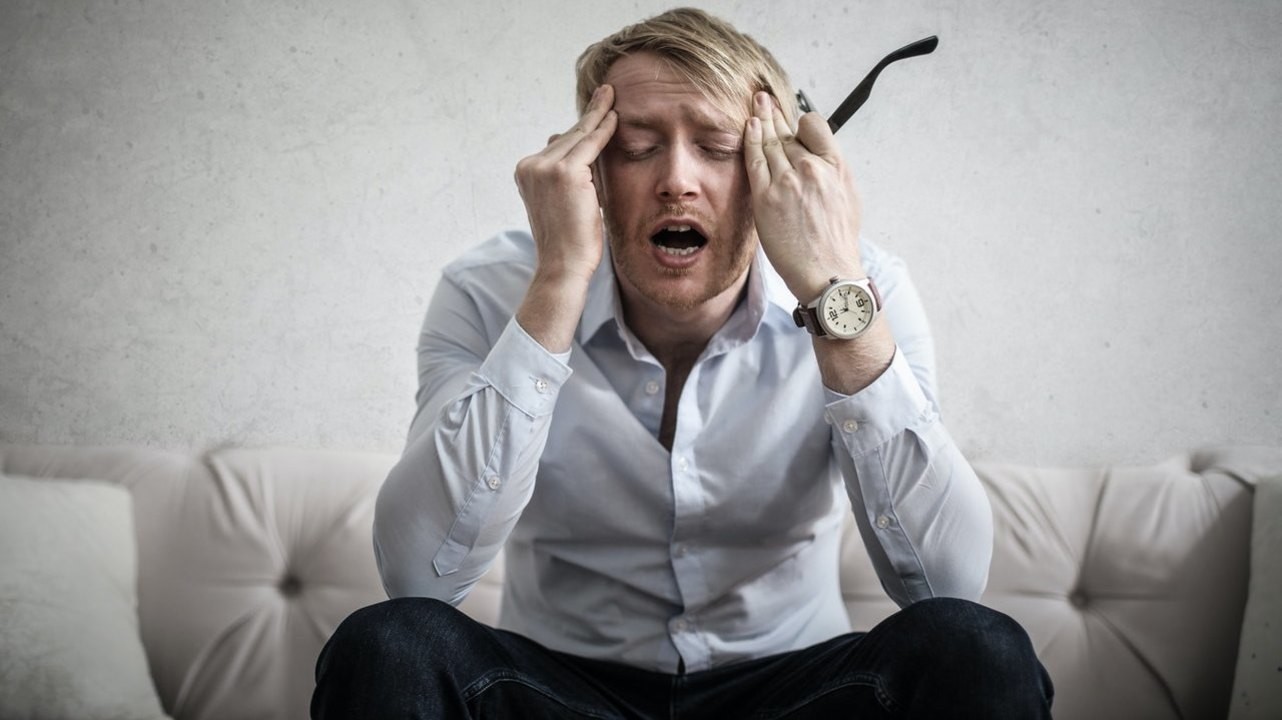
About 10% of the world's population suffers from anxiety disorders, women are twice as likely as men. Previously, several studies have shown that people with these disorders are often found to be in poor physical health. At the same time, many patients do not get relief from the standard treatment for anxiety – medications and psychotherapy.
Scientists see physical activity as a promising tool in preventing and alleviating anxiety symptoms. In addition to improving the mental state of people, it can positively affect their physical health and life expectancy. However, little is known about how different levels of physical activity affect the risk of developing anxiety, and whether its effects are the same for men and women.

- To get the best results, try doing at least 2.5 hours a week of moderate-intensity exercise or 1.25 hours of intense exercise. They can be combined.
- 5 X 30: Jog, walk, bike, or dance for half an hour a day, five times a week.
- < span>Set available daily tasks. It is important to keep active day in and day out, not to achieve amazing sports results. It's better to walk 20 minutes every day than to wait for the weekend to spend a few hours doing it.
- Choose the types of activities that bring you pleasure. If you're an introvert, don't force yourself to go to group fitness.
- Distract yourself with music, audiobooks and podcasts in the player. This will help increase the enjoyment of exercise.
- Find a gym partner or partner. For many, this helps not to abandon the exercises.
- Be patient when starting an exercise program. In the first few weeks, it can really be quite difficult. Of course, over time, it will become much easier to perform them.
Source — American Anxiety and Depression Association
In a new study, scientists followed 385,000 people for 21 years old. They tested whether the risk of developing anxiety was associated with the participation of people in the national long-distance ski race. The analysis included data from amateur skiers who participated in the race from 1989 to 2010, and people who do not participate in the race.
The researchers found that physically active people had a 60% lower risk of developing an anxiety disorder over the course of 21 years than the average Swedish citizen. These results were true for both men and women.
However, scientists have found some difference between the effect of an active lifestyle on men and women. In men, the risk of anxiety was reduced in the same way, regardless of their athletic performance. Women in the top cross-country skiing group were almost twice as likely to have anxiety as those in the lower performing group.
Scientists emphasize that even in a group of physically active women with a higher risk of anxiety, this risk was lower than lower than that of their physically passive peers.
«Our study suggests that the relationship between anxiety symptoms and physical activity may be non-linear,» said Martina Svensson of Lund University, co-author of the study.
The authors of the study believe that the new study highlights the effectiveness of physical activity in preventing anxiety. To date, this is one of the largest studies on this topic. In addition, few women were previously included in scientific work.
Scientists have pointed out that skiing is not an exercise that is exclusively effective in combating anxiety. Previously, different types of physical activity have been shown to be highly effective in other studies.