

Supplies to Germany via the main pipeline stalled
Kazakhstan is faced with the problem of a shortage of crude oil in the country to compensate for the dropped volumes of Russian raw materials in the European energy market. According to Bloomberg, Astana cannot yet find enough fuel to supply Germany through the Druzhba pipeline. In addition, according to the agency, Kazakh producers are wary of Druzhba itself, fearing that this new export channel for them will ultimately turn out to be less profitable than in other directions.
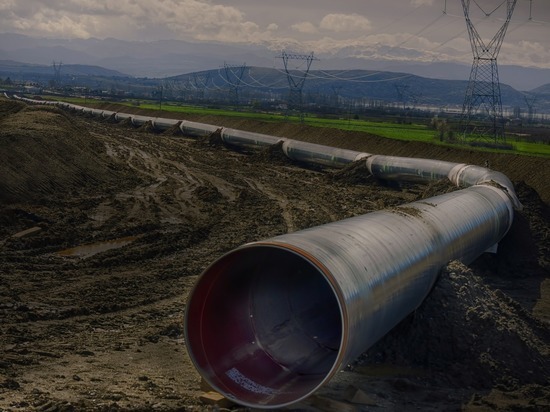
Since the end of February, oil production in Kazakhstan has fallen by about 100,000 barrels daily due to unplanned maintenance work at the Tengiz field. Accordingly, the volume of deliveries to Europe also dropped sharply. As the oil operator of the country KazTransOil recently admitted in its report, in the first quarter of 2023, 40,000 tons of pipeline oil will be delivered to Germany, which is almost 90% less than the originally planned volumes.
Having no direct access to the sea, Kazakhstan has traditionally, for many years, exported raw materials through the Caspian Pipeline Consortium (CPC) system to Novorossiysk. Deliveries through the territory of Russia and Poland to the German refineries Leuna and Shwedt via Druzhba have just begun, at the end of February. Until the end of 2022, Berlin was the largest buyer of Russian oil through Druzhba, but after the expiration of a long-term contract, it turned to alternative suppliers, in particular, to Kazakhstan. For Germany, this channel is convenient for one simple reason: the volumes received through it are chemically similar to the Russian brand Urals, to which the Germans are accustomed.
According to Reuters, last year Kazakhstan significantly increased oil supplies bypassing the Russian Federation, exporting 1.8 million tons (36 thousand barrels per day). Compared to 2021, the figure increased by 638 thousand tons.
“Now Kazakhstan cannot find exactly additional volumes for increasing shipments to Germany,” explains Igor Yushkov, an expert at the Financial University under the Government of the Russian Federation. — He expected to pump these volumes calmly through the Druzhba oil pipeline, without withdrawing from other directions and increasing production at the same time. But the situation turned out differently: deliveries went only at the end of February and in very small quantities. In addition, Kazakhstan was forced to actually expose the transit route through the port in the Leningrad region of Ust-Luga (from where Kazakh oil was transported to Germany by tankers), redirecting part of the oil to a new direction.
At present, Yushkov argues, Kazakhstan can increase supplies via Druzhba in only one way — if it removes even more volumes from transit through Ust-Luga. But he will be extremely reluctant to do this, since he risks harming cooperation with certain companies and traders with whom he has long-term contracts.