

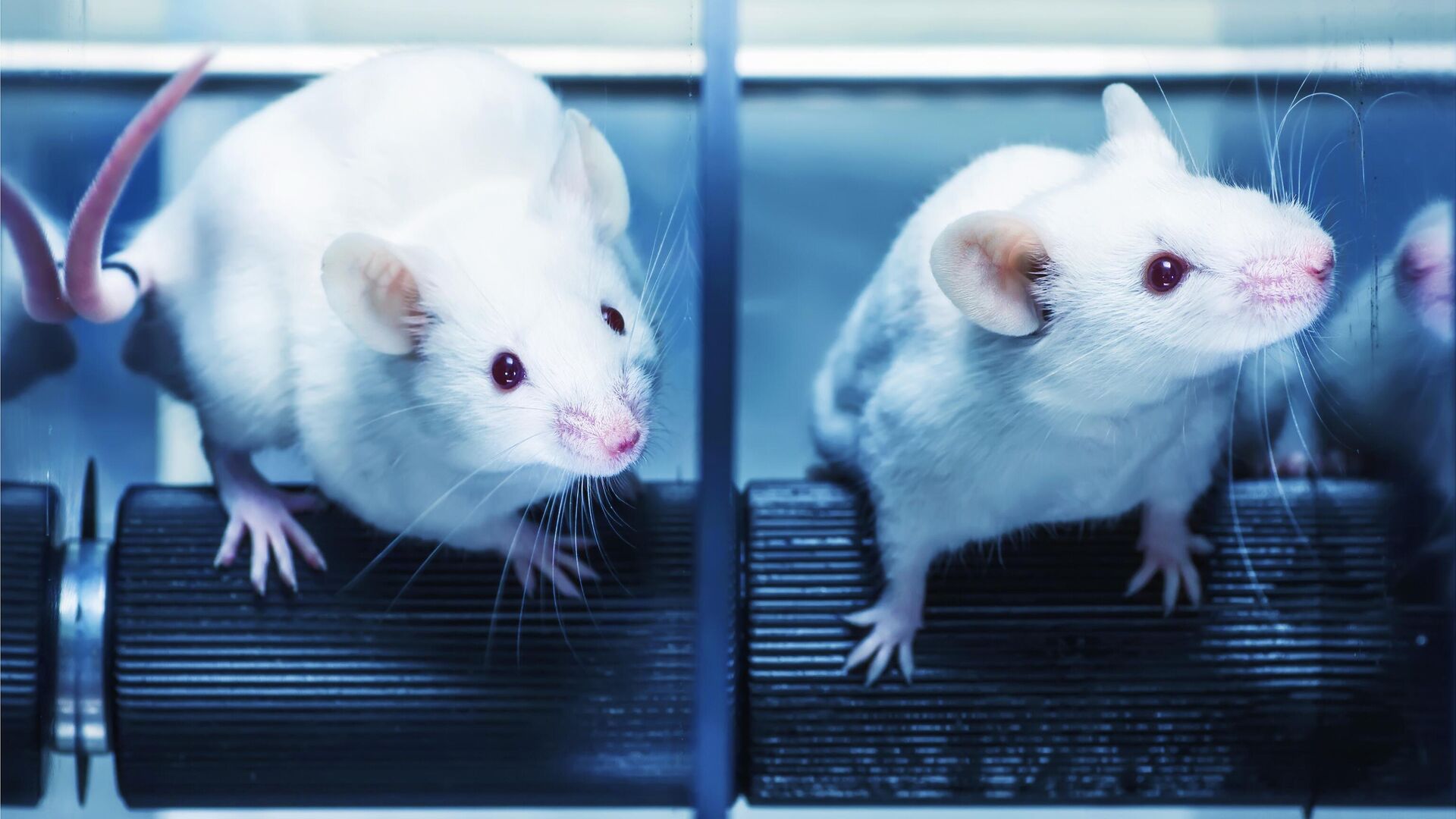
MOSCOW, April 6 Post-traumatic stress disorder (PTSD) alters the functioning of the brain of mice and prevents the formation of new nerve cells in them, scientists at the Immanuel Kant Baltic Federal University have found. The results of the study are published in Current Issues in Molecular Biology.
As experts explain, PTSD can occur after experiencing traumatic events, such as acts of a violent nature. Most often, the disorder is recorded among combatants — when a critical situation from the past literally haunts a person even in a calm environment and safety.
The reasons for the susceptibility of some people to PTSD and the resistance of others to it, as well as the molecular and cellular changes that occur in the brain, are still not clear, and special attention is paid to these topics in the global scientific community.
«
“We studied the development of PTSD in two groups of mice: wild and laboratory. It turned out that wild animals in simulated conditions are not at all susceptible to disorder, and all laboratory animals showed disturbing behavior,” said Oksana Tuchina, PhD in Biology, Head of the Scientific Group of the IKBFU Laboratory of Synthetic Biology for the Study of Neuroglial Interactions.
More In addition, she stressed, changes in the brain were found only in laboratory mice. The likely reason for these differences is genetics. Laboratory mice are crossed with each other for generations, that is, these are systematic closely related relationships, and as a result they have one set of genes, while in wild mice the genotype is much richer. Therefore, the latter have more developed defense mechanisms against prolonged stress, which are not present in artificially bred rodents.
March 2, 14:00 title='»Many traumas, like wounds, heal on their own». What is PTSD?'>
In addition, the influence of the environment cannot be ruled out: laboratory mice live in cramped conditions. A variety of social contacts and the possibility of physical activity stimulate the brain, the scientists added.
“Separately, we studied the effect of PTSD on the functioning of the hippocampus in mice. This is a brain structure that is responsible for memory, in particular for spatial memory. Neurogenesis also occurs in it, new nerve cells are formed, and, as our studies confirmed, in linear mice with PTSD these cells are much smaller,» Tuchina drew attention.
Due to prolonged stress, this brain structure produces an excess amount of immune molecules (cytokines) that prevent nerve cells from working normally, and then the disease can progress, she specified.
1 of 3

2 of 3< br />
3 of 3< br />
1 of 3 » data->
2 of 3
3 of 3
In addition, it turned out that in the hippocampus of linear mice with PTSD, the functioning of glial cells, which nourish neurons and carry out immune protection, changes. Researchers suggest that it is because of this that brain dysfunction occurs in post-traumatic stress disorder.
If the development of this mental condition depends on the diversity of the genome and environmental conditions in rodents, this should also be true for humans. But for an accurate determination, complex genetic studies are needed, Tuchina is sure.
«The brain changes observed in mice with PTSD are likely to occur in humans, which means that neurogenesis and hippocampal glial cells could be interesting therapeutic targets for the treatment of this disorder in humans,» she said.
In the future, IKBFU plans to study the effect of already known drugs on glial function in PTSD, as well as specific genetic combinations that predispose to the development of the disorder. According to Tuchina, if it is possible to identify the genes responsible for «immunity» to post-traumatic stress disorder, then, if necessary, a person will be able to find out if he is at risk of such a disease.
The study was carried out as part of the strategic project «Cognitive Longevity» federal project «Priority-2030».