


Who and why appeals to the financial ombudsman
In the last months of 2023, the number of Russians’ appeals to the financial ombudsman (commissioner for human rights) has significantly increased in Russia. Among the key topics of appeals are currency exchange, bank deposits, as well as bank accounts, electronic wallets and transfers.
Not all Russians know who the financial ombudsman is and why call him for help. Meanwhile, this person is very useful. Such a position appeared in Russia in 2018, and his task is to help citizens and financial organizations resolve monetary disputes without bringing the case to court. There is an important nuance: the amount due to which the dispute was started should not exceed 500 thousand rubles. Such assistance is free for the consumer.
The maintenance of bank accounts and deposits may raise questions, but what, it would seem, could go wrong in a simple currency exchange procedure, why is an ombudsman needed here? Financial expert Andrey Barkhota tried to answer this question in an interview with an MK correspondent:
— The growth of Russians' appeals to the financial ombudsman in connection with foreign exchange transactions can be explained by several factors. First of all, foreign investors continue to leave the Russian market. In connection with the sale of their shareholdings, they need to convert the proceeds from the sale into dollars or euros. This, in turn, causes significant fluctuations in the Russian foreign exchange market, exhausted by a long lull. In this regard, the interest of citizens in foreign exchange transactions is growing. It must be remembered that a fairly large amount of cash currency is kept by the population at home after the introduction of a commission for maintaining foreign currency accounts. As soon as the dollar or euro exchange rate grows by more than 5% per week, citizens think about prompt conversion.
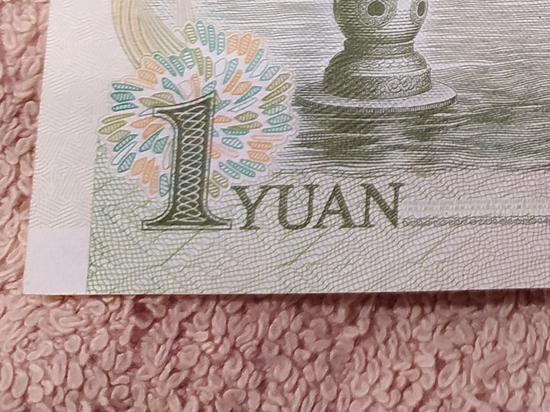
Also, according to the expert, problems with identifying new currencies, such as the Chinese yuan, may be the reason for the increase in requests to the ombudsman , Turkish lira, Indian rupee.
—The population is accustomed to dealing with a large amount of cash dollars, and the absence of new currencies in cash-only form may arouse citizens' suspicions. The third factor is the refusal of banks to issue cash dollars and euros with deposits and accounts previously opened by the population. This is due to the restrictions of the Bank of Russia, but citizens perceive it as an unspoken freezing of foreign exchange savings,” Barkhota added.