


The harmful effects accumulate throughout our lives
A new study from the UK has shown that air pollution accelerates the progression of lung disease. These findings add to the growing body of evidence that health damage from air pollution accumulates throughout our lives.
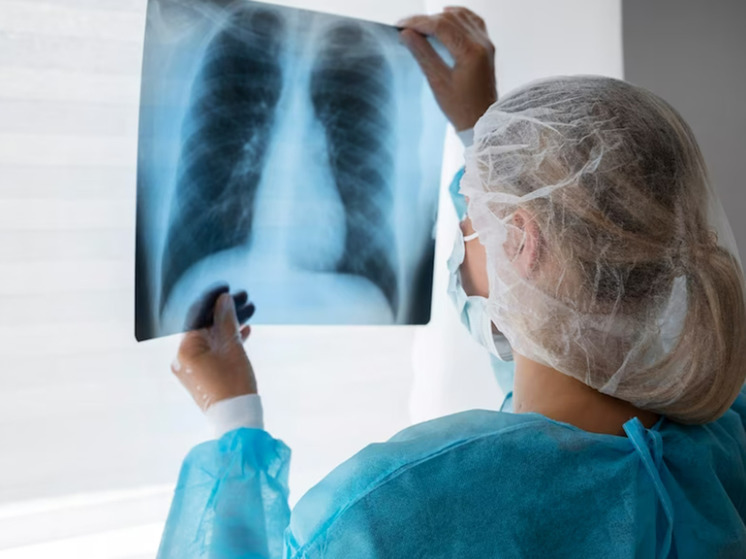
A study of more than 250,000 people in the UK has shown how air pollution accelerates the progression of lung disease.
According to The Guardian, significant air pollution in areas where people live makes them more likely to develop lung disease. or some other lung disease, and then – to an increased risk of multiple illnesses and death. This confirms the growing body of evidence that health damage from air pollution accumulates throughout our lives.
The researchers concluded that the current legal regulations regarding air pollution are not sufficient. However, our health would be improved by a further reduction in air pollution, even if it were up to modern standards. In addition, people with lung disease need additional protection from environmental influences.
The health status of 266,000 adults was tracked for an average of 12 years. All of these citizens were volunteers from England, Wales and Scotland who took part in the British Biobank project.
To date, most studies have examined the relationship between air pollution and individual health effects – for example, first diagnosis of asthma, hospitalization or death. In a new study, researchers tracked lung health & nbsp; – from the absence of diseases to the presence of long-term pathologies and early death.
By the end of the study, 13,863 people had developed asthma, lung cancer, or chronic obstructive pulmonary disease (COPD), and 1,055 had multiple illnesses.
Fourteen percent of people who developed one chronic problem then died during the study, as did 31% of individuals who developed multiple lung diseases. The study also collected information on lifestyle, including smoking, obesity, occupation and income, so that this could be taken into account in the analysis, notes The Guardian.
Particle pollution has had the strongest impact, even though average concentrations near volunteer homes were close to the 2040 target for England and the target proposed for the EU for 2030. This suggests that they do not provide a sufficient level of protection.
Similar patterns were observed for nitrogen dioxide, but the method for determining air pollution that people breathe was more complex and less reliable.
< p>Although the study focused on lung disease, 10,562 people in the study died from other causes, about 4% of the total. This risk was also higher in people who lived in areas with more air pollution, consistent with a large body of research showing that air pollution reduces life expectancy and increases mortality from many diseases.
An earlier study in 2019 also found that the lung function of the British Biobank volunteers was deteriorating due to air pollution. Those in low-income households were about twice as likely to have decreased lung function and three times as likely to be at risk of COPD compared with higher-income individuals who were similarly exposed. International studies have also shown that air pollution increases the chances of getting lung cancer and reduces subsequent survival.
Professor Stephen Holgate of the University of Southampton, who, however, was not involved in the new studies, said: «Researchers have shown that not only particulate matter and nitrogen dioxide pollution is causally linked to common lung diseases, but air pollution also leads to exacerbation of the disease and premature death … We need to become more aware of the huge contribution that air pollution makes to lung deterioration, and accept more drastic measures to reduce the impact of toxic emissions of pollutants”.