


The remains of two mice and a rat were found in an antique room
Archaeologists studying antiquity have made a new discovery. A bedroom used by slaves has been discovered by archaeologists near Pompeii. Finding at Civita Julian's villa sheds light on the low status of slaves in the ancient world.
Archaeologists have discovered a small bedroom in a Roman villa near Pompeii that was almost certainly used by slaves, shedding light on their low status in the ancient world, Italy's culture ministry said Sunday.
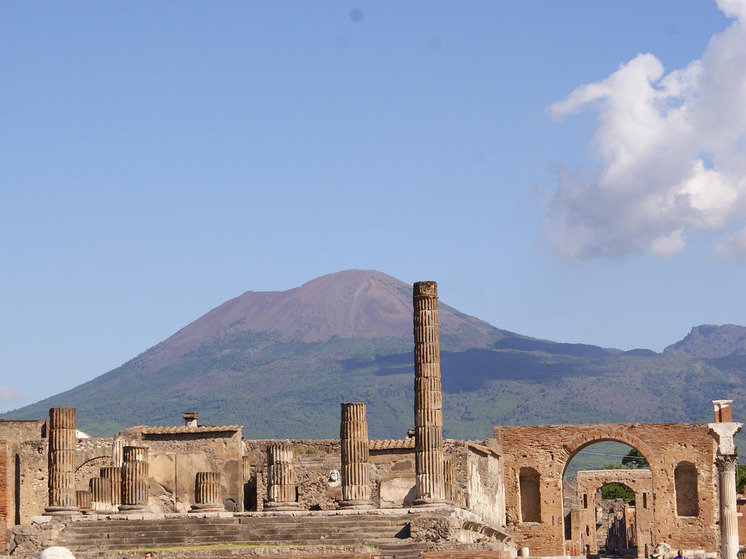
As noted by The Guardian, citing Reuters, the slave room was found in the villa of Civita Julian, about 600 meters (2,000 feet) north of the walls of Pompeii, which were destroyed by the eruption of Mount Vesuvius almost 2,000 years ago.
In the ancient room there were two beds, only one of which had a mattress, two small cabinets and a row of urns and ceramic vessels, in which the remains of two mice and a rat were found.
“These details once again highlight the conditions of instability and poor hygiene in which the lower echelons of society lived at that time”– The Italian Ministry of Culture said in a statement.
No traces of bars, locks or chains were found to keep the room's occupants, Reuters notes.
“ was primarily carried out through the internal organization of slavery, and not through physical barriers and restrictions, – says Gabriel Zuchtrigel, Director of the Pompeii Archaeological Park.
Excavations at Villa Civita Julian were carried out in 1907-1908, and again in 2017, when the police discovered that the site had been looted by illegal diggers.
Archaeologists reported that part of one of the beds was destroyed while digging a tunnel, which the robbers used to get into another part of the villa.
Vesuvius exploded in 79 AD, killing thousands of Romans who had no idea that they were living under one of the most dangerous volcanoes in Europe. The eruption buried the city under a thick layer of ash, preserving the bodies of many of its inhabitants and buildings.
Recently, this site has seen a surge in archaeological activity aimed at ending years of decline and abandonment, – thanks in large part to a 105 million euro EU-funded project.
Gennaro Sangiuliano, Minister of Culture, said on Sunday that conservation and research efforts will continue.
“Then what we learn about the material conditions and social organization of that era opens up new horizons for historical and archaeological research, – he said.