


The ancient Romans loved to plunge into icy water
Archaeologists have discovered a unique 18th-century cold bath under the meeting halls of the English city of Bath. Excavations have revealed a structure that may be one of a kind under a building that was used for a variety of leisure activities.
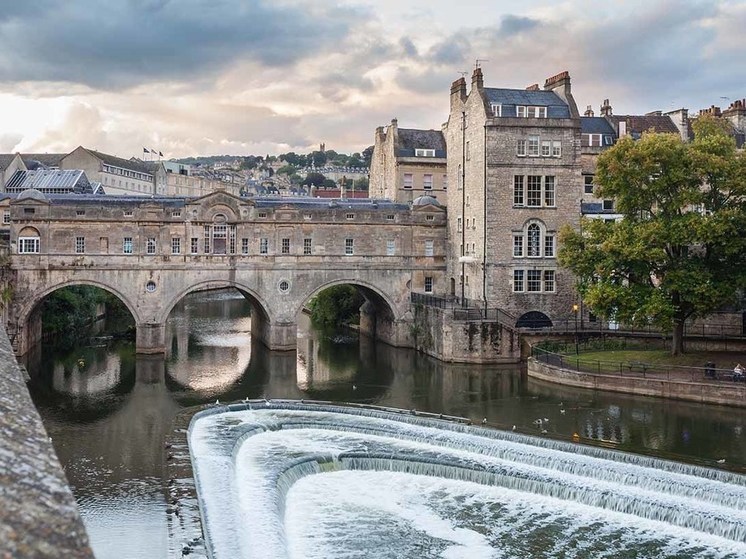 Pulteney Bridge in Bath (England). Photo: ru.wikipedia.org/DiegoDelso
The therapeutic value of ice baths or cold water immersion was recognized long before wellness gurus and celebrities extolled them on social networks, writes The Guardian. Even the ancient Romans enjoyed bathing in the frigidarium.
It now appears that the men and women of 18th-century Bath could visit their local meeting halls to take a dip in the icy water, as well as engage in other leisure activities and pleasures.
Archaeological excavations beneath 18th-century bathhouses have revealed that this may be the only cold bath of its kind, notes The Guardian.
In the 18th and 19th centuries, meeting halls were places of entertainment and conversation , dancing and gambling in many fashionable cities throughout the country.
Bath and other English resort towns, famous for their hot mineral water, have become popular places for swimming and “water treatments.” But in the 18th century, medical practitioners also recommended regular cold baths as beneficial for a variety of physical and mental ailments, including gout.
In private homes and estates, as well as in public institutions in Bath and other cities, there was a sharp increase in the number of small pools and cold baths. The location of one of them in the assembly rooms suggests that it was aimed at those who wanted a more exclusive, private cold bath experience.
Bath's Assembly Halls, now in the care of the National Trust, were completed in 1771. In the “Guide to Baths in New Prose” for 1778, a «spacious cold bath with comfortable dressing rooms» was noted, as well as rooms for billiards, coffee, gambling, balls and concerts.
The cold bath is in the center of a suite of three rooms under one end of the ballroom . There are dressing rooms on both sides of it.
The excavation included dismantling the later ceiling that had been installed over the cold bath and removing tons of rubble to reveal steps leading down, as well as a niche that may have contained a statue or sculpture.
Bruce Eaton of Wessex Archaeology, who oversaw the excavation, said: “Although historical records indicated that a cold bath was buried under the Baths meeting rooms, we had no idea what the preservation of the bath would be like. The building suffered at the hands of the Luftwaffe and the rooms were reconstructed in the late 20th century, but after painstakingly excavating tons of concrete and rubble we were able to see the original structure in its entirety. It's amazing to be able to piece together this rare archaeological evidence of an 18th century cold bath with the socio-historical accounts of the time.» Tatiana Leboff, project supervisor at the National Trust, said: «Cold bath in assembly the halls are very unusual. This is a rare, if not unique, surviving example and may have been the only one ever built in the assembly hall.»