


The future of the world market will be determined at the summit of producing states on November 30
The upcoming summit of the main oil-producing states, shifted from November 25 to 30, is expected by the world energy market with great concern. A split is brewing in both fuel alliances, both OPEC and OPEC+: some participants, primarily Saudi Arabia, insist on continuing to reduce exports, hoping to increase the prices of “black gold”; others, in particular Angola and Nigeria, on the contrary, are proposing to increase supplies in order to cash in on the existing prices of $80 per barrel. The choice that Russia has to make could become fateful for the fuel sector of the entire planet.
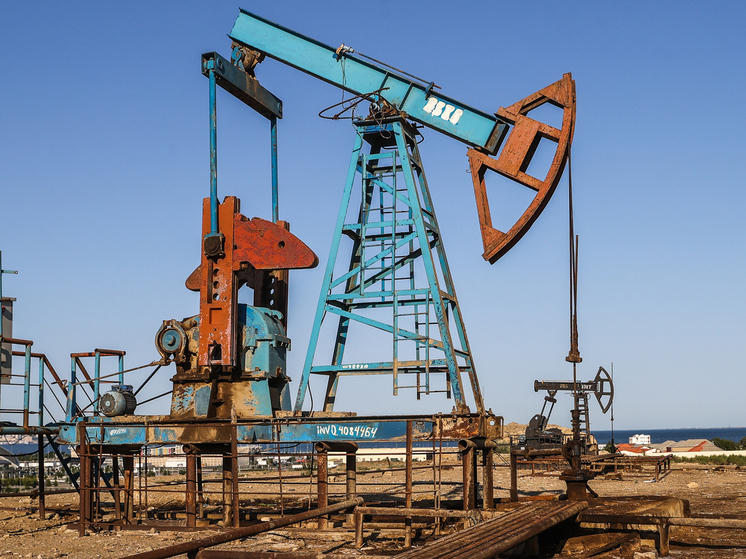
In recent days, a feeling of anxiety and constant anxiety has plagued the global oil market. The reason for this is the scandalous and unexpected breakdown of negotiations between the main producing powers, both within the framework of OPEC — the production cartel of Middle Eastern states that has existed for more than sixty years, and on the scale of the younger OPEC+ alliance, which, in addition to Russia, includes African, Middle Eastern and Latin American states. First, negotiations between delegations, including a meeting of the OPEC monitoring committee and a meeting of ministers of OPEC+ countries, were supposed to take place within the deadline approved almost six months in advance: November 25-26. But due to disagreements, they were postponed to November 30 — in the hope of finding a consensus in an additional 5 days. It is on November 30 in Vienna that all previously planned discussions should take place in person, designed to determine the behavior of “black gold” exporters. for next year.
Exchange prices were also volatile during this turbulent period. News of the postponement of the meeting led to a drop in prices below $80 per barrel. True, almost immediately — when the new date for the summit was announced — “barrel” Brent recovered its fall and rose to $81. “Such stock exchange fluctuations are explained by an information vacuum, that is, a lack of specificity regarding the future behavior of producers, — explains BitRiver Communications Director, economist Andrey Loboda. — Adding fuel to the fire are market speculators who have stocked up on additional fuel: they hope to sell the annual surplus generated at commodity hubs, in sea containers and in land-based storage facilities during the seasonal increase in demand for hydrocarbons.
However, this time it’s not worth blaming stock traders for panic, which can either drop oil prices to $40 per barrel or push quotes up to the coveted “capital” level. Exporters of raw materials are unable to reach a compromise on a new level of joint production that will satisfy all participants in the production process. Saudi Arabia is proposing that other OPEC+ members cut export quotas to support global consumer markets. Riyadh has unilaterally reduced its foreign supplies by 1 million barrels per day since the middle of this year. Now the Saudis are looking for support from other cartel members, only their partners, apparently, are still far from understanding the Saudis’ position.
In any case, Angola and Nigeria do not agree with the reduction of limits for 2024. Theoretically, both African states (part of OPEC, but not OPEC+) in a decade could become leading suppliers of hydrocarbons to neighboring importers of the “dark continent”. — According to the International Energy Agency, they have the resource base for such a breakthrough. There is not enough investment “fulcrum” to implement your ideas. The mining capacity of both countries has not yet reached a historical minimum, but a drop in production is observed every month. Therefore, every extra dollar earned on current supplies is currently important to African oil workers.
The Saudis, in order to cover the national budget deficit, which exceeded $9.5 billion in the third quarter of 2023, need a barrel price of $90-100 per barrel: $10-20 higher than the current level. Riyadh is investing serious capital in “non-raw materials” sectors of the economy in order to abandon hydrocarbon dependence in the future. It is no coincidence that the International Monetary Fund recently recognized Saudi Arabia’s economic growth rate as the highest among the G20: the kingdom’s annual GDP grew by an impressive 8.7%, breaking the $1 trillion mark for the first time.
«With content Riyadh can wait for its own treasury, but at the upcoming meeting the Saudis have the opportunity to “put pressure” on them. on other participants in the mining market,” — says Vladimir Chernov, an analyst at Freedom Finance Global. As for Russia, according to the expert, it is more profitable for it if production quotas are reduced even more, and world prices for raw materials go up. “However, it is desirable that the reduction in production volumes should occur at the expense of other participants in the raw materials alliance. In the current situation, given the confrontation between the positions of OPEC participants, Moscow still has tools for a more subtle influence on the current situation, and, accordingly, higher chances for extracting maximum benefit from the disagreements of the remaining participants in the deal, Chernov believes.