


Scientists have developed an unusual spray for forensic scientists
Forensic spray using jellyfish protein can speed up the detection of fingerprints. Dyes based on fluorescent proteins are also soluble in water and have low toxicity, so they can replace chemical solvents
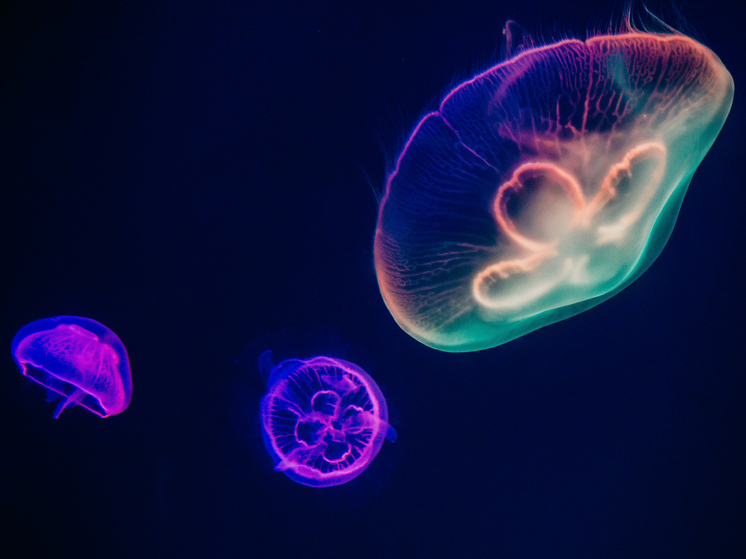 Photo: unsplash.com
Scientists have developed a forensic spray using a protein found in jellyfish that detects fingerprints from everything in 10 seconds, writes The Guardian.
Aerosol dye could speed up and improve the efficiency of forensic investigations, scientists say. It is also soluble in water and has low toxicity. Traditional forensic methods use either toxic powders, which can harm DNA evidence, or environmentally harmful petrochemical solvents, the sale of which is increasingly restricted.
The dyes in the spray are based on a fluorescent compound called green fluorescent protein (GFP). GFP), which previously revolutionized scientists' ability to visualize biological processes in cells and animals. The dyes are biologically compatible and do not interfere with subsequent fingerprint DNA analysis.
“This system is safer, more robust and faster than existing technologies and can be used even for week-old fingerprints,” said Professor Tony James, a chemist at the University of Bath and co-author of the study.
The team created two different colored dyes, called LFP yellow and LFP red, that bind to chemicals found in sweat and oils in the skin. This locks the dye molecules into place and they emit a fluorescent glow that can be seen under blue light.
“Having two different colors means the spray can be used on different colored surfaces. We hope to produce more colors in the future,” says Professor James.
The fine spray prevents spattering that can damage prints, is less messy than powder and applies quickly even to rough surfaces where prints are more difficult to capture, such as brick, writes The Guardian.
Fingerprints are still used for better identification than DNA evidence in cases where the suspect is unknown and the technology is fast and cheap compared to DNA profiling. However, governments are increasingly restricting the use of solvents used in fingerprint detection methods, including per- and polyfluoroalkyl substances (PFAS), sometimes known as “forever chemicals.”
The GFP protein is naturally produced in the North American jellyfish Aequorea victoria, sometimes called the crystal jellyfish, and emits a green glow when it absorbs blue light. Scientists aren't sure what purpose the jellyfish's fluorescence serves, but one possibility is that it helps ward off predators, notes The Guardian.
The protein is already widely used in biological research because the GFP gene can be used in as a harmless glow-in-the-dark tag for tracking cell activity in laboratory dishes or inside living things. Flatworms, tadpoles and zebrafish have been reprogrammed with the GFP gene.
Professor Chusen Huang from Shanghai Normal University in China and the project's principal investigator emphasizes: “We hope that this technology can really improve the detection of evidence in the field crimes.”
The team is collaborating with companies and hopes to make forensic dyes commercially available. Their research was published in the Journal of the American Chemical Society.