


The results look very impressive
A new study has shown that an antimalarial drug can help treat polycystic ovary syndrome. The plant extract artemisinin, used in Chinese medicine, stops excess testosterone production.
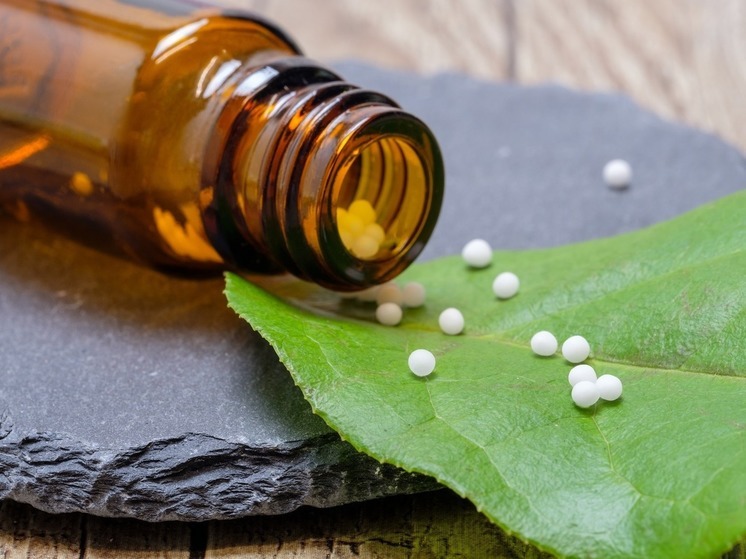
A groundbreaking study has found that an anti-malarial drug used in ancient Chinese medicine could be an effective treatment for polycystic ovary syndrome (PCOS), writes The Guardian.
It turned out that the plant extract of artemisinin stopped the ovaries from producing too much testosterone, and women who took the drug for 12 weeks had more regular periods. The results of a small study by a Chinese team have been hailed as a potential breakthrough that could lead to a completely new approach to treating a disease that affects around one in 10 women.
“It's very rare to get a completely new development in something that really matters.” condition, so this is very important,” said Dr. Channa Jayasena, senior clinical lecturer at Imperial College London, who was not involved in the study. “This is a huge potential breakthrough and is welcome because women's health has traditionally not received as much attention as heart disease and cancer.”
As The Guardian explains, PCOS occurs when the ovaries produce too much testosterone. Hormonal imbalance disrupts ovulation, which can lead to irregular periods and affect fertility. There are other serious health consequences: Many patients develop insulin resistance, which increases the risk of obesity, heart disease and diabetes. Higher testosterone levels can also lead to excess facial hair and acne.
“The name of the syndrome makes it seem like it only affects the ovaries, which is a disservice to women,” Jayasena says. – This disease spreads to the entire body. You are more likely to develop obesity, heart disease, thick hair, acne, irregular periods and fertility problems.”
Modern treatments include taking birth control pills, which suppress testosterone production and thus help manage irregular periods and cosmetic symptoms of PCOS, writes The Guardian. Fertility drugs or surgery may also help stimulate ovulation in women with PCOS who are unable to get pregnant. However, these treatment methods are not fully effective and are not suitable for everyone.
The latest study, published in the journal Science, suggests that artemisinin blocks an enzyme called CYP11A1, which is critical for testosterone production in the ovaries. In a series of detailed experiments on mice and rats with a syndrome similar to PCOS, scientists showed that the drug lowers testosterone levels and restores fertility. “This is a great example of effective work… The results are very impressive,” Jayasena said.
In women, PCOS disrupts the ovulation cycle, which typically involves the gradual maturation of follicles in the ovary, with one follicle being selected each month to fully mature and release an egg. In PCOS, the follicles are hyperactive, meaning many small follicles are maturing at the same time, continues The Guardian.
Professor Richard Anderson, head of obstetrics and gynecology at the University of Edinburgh, said: “They get caught in a traffic jam, and instead of who Some of them have begun ovulation, all of them remain in a state of incomplete development.” He said the study results looked “surprisingly positive.”
In a pilot study, 19 women with PCOS received artemisinin for 12 weeks. They experienced a significant decrease in hormone levels, an ultrasound scan showed a decrease in follicular activity, and regular periods were restored in 12 participants (63%) without any reports of negative side effects, notes The Guardian.
Professor Qi-qun Tang, who led the study at Fudan University in Shanghai, said: “Based on our results, artemisinins are promising candidates for the treatment of PCOS as they potently inhibit ovarian androgen synthesis, reduce the number of immature follicles and improve the menstrual cycle.”< /p>
Women's periods remained regular during the long 12-week follow-up period after stopping the drug, The Guardian writes. “We are now extending this observation period to determine whether there is a relapse after a longer period without using the drug,” says Professor Tan, adding that the team is working to refine the dosage and timing of the drug in order to conduct a larger clinical trial.
Richard Anderson comments: “This looks very exciting and what's intriguing is that this is a new use for a drug that has been used for a long time. It has a strong track record of being a drug that people can take safely, so it's a fantastic hurdle that we've already overcome.”
However, a larger study will be needed to assess any potential risks associated with long-term use of the drug, notes The Guardian. There is also the question of whether the drug restores fertility. This may be a potential benefit, but there may also be serious risks associated with using a hormone-suppressing drug during pregnancy. “This can be a double-edged sword if it helps you get pregnant,” Jayasena stresses. “Then you have to prove that it is safe during pregnancy.”