


Fagradalsfjall system 'back to business' warned on Icelandic peninsula
There have been eight eruptions since 2021, and new research suggests the surge in volcanic activity is linked to shallow magma. Volcanologists have predicted that Icelandic volcanoes will remain active for another decade.
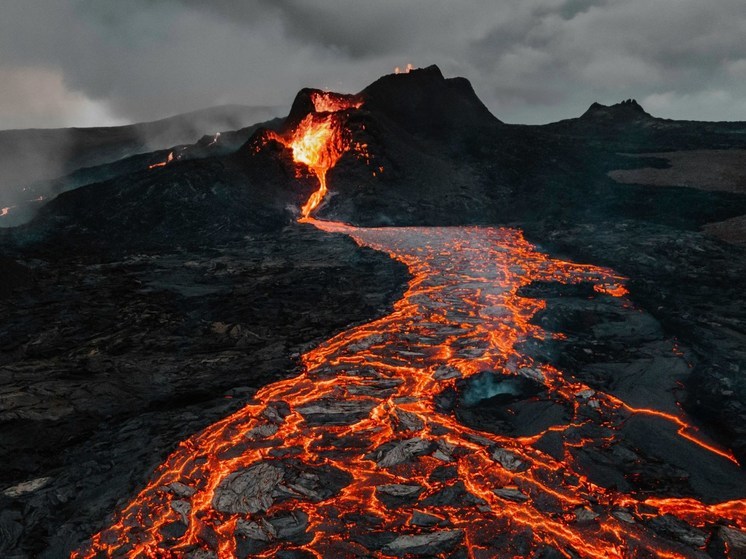
Warning authorities about the resurgence of volcanoes is critical to ensuring the continued safety of residents in the region, as researchers say the buildup of magma could fuel volcanic eruptions of similar size in the Fagradalsfjall volcanic system on Iceland's Reykjanes Peninsula for years, perhaps decades.
“A comparison of current eruptions with historical events strongly suggests that Iceland will have to prepare for this volcanic episode to continue for some time, perhaps even years or decades,” — notes geologist Valentin Troll. He and his colleagues used data on seismic waves caused by volcanic eruptions and earthquakes to map the subsurface of the Reykjanes Peninsula in southwest Iceland, where most of the country's population lives.
They found that the Fagradalsfjall volcanic system erupted in 2021 were fueled by the accumulation of magma, which then seeped along geological lines into Sundukur, where volcanoes have been spewing lava since the end of 2023.
Because lava eruptions occur with similar geochemical fingerprints in both zones, the findings suggest that the two volcanic systems are connected by «interconnected magma supply pathways.»
Historical evidence indicates that this general magma basin likely formed sometime between 2002 and 2020, was recharged in 2023, and continues to supply magma from shallow depths into surface fissures and vents through slightly inclined channels. Melting rocks deep in the Earth's mantle replenish magma reserves, which could fuel eruptions for decades to come.
«There is a need to improve our understanding of the magma supply system that fuels the eruptions that occur, — Troll notes. — In the foreseeable future, we should expect an increase in the frequency of volcanic activity.»
Now that a source of magma has been identified, it can be mapped and monitored to prepare the population for possible consequences.
Repeated evacuations would be an obvious but critical measure to ensure people's safety. Frequent eruptions can also damage key infrastructure, such as the geothermal power plants that supply Iceland with electricity and heat, as well as experimental carbon capture plants, which release carbon dioxide and other gaseous pollutants into porous rocks.
The eruptions over the past three years have been particularly destructive and could potentially mark the start of a long period of constant volcanic eruptions in the country. However, nature is rarely predictable, so researchers are calling for continued monitoring of the area.
«We don't know how long or with what frequency this will continue over the next ten or even hundred years, — concludes volcanologist Ilya Bindeman. — A pattern may appear, but in nature there are always exceptions and violations.”