


Regularly tracking numbers can help with weight loss
In the health industry, few things are more controversial than the value of weighing yourself. Some experts recommend performing daily self-tests. Critics oppose this approach because weight control can have a psychologically negative impact on a person's mental well-being.
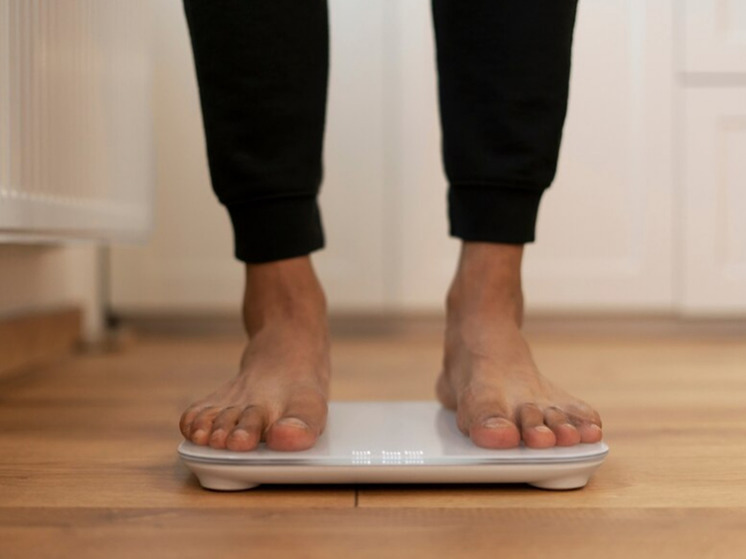
Some nutritionists recommend using a scale for weekly weighing, even if the person is not trying to lose weight, to increase accountability for weight control, especially when the person is dieting and exercising to lose weight.
Others suggest avoiding self-weighing altogether. , arguing that they can provoke negative psychological reactions and unhealthy behavior when a person losing weight does not like the number he sees on the scale.
At the same time, research confirms that regular self-weighing is an effective weight loss and management strategy, primarily because it helps increase awareness of current weight and any changes.
A systematic review of 12 studies found that respondents who weighed themselves weekly or daily for several months lost 1-3 units of body mass index and gained less weight than participants who did not weigh themselves frequently. Weight loss benefits were evident with weekly weighing, but no additional benefit was found with daily weighing.
As people age, self-weighing is an important tool for weight control. Adults typically gain weight gradually during middle age. Although the average weight gain is usually 0.5-1 kilograms per year, over time this slight weight gain can lead to obesity. Weighing yourself weekly and tracking your results helps avoid unnecessary weight gain.
Frequent weighing can also help identify health problems early. Dramatic changes in weight can be an early sign of some medical conditions, including thyroid, digestive and diabetes problems.
A person's body weight can fluctuate within one day and on different days of the week. Research shows that body weight fluctuates 0.35 percent during the week and tends to increase after the weekend.
There are several reasons for daily fluctuations in body weight, many of which are related to water content in the body. Weight also tends to decrease in the morning after a person restricts food intake overnight and increases in the evening after eating and drinking daily.
It's also worth remembering that if a person weighs himself at the gym after a workout, there is a good chance that he will weigh less due to fluid loss caused by sweating. The amount of water lost depends on factors such as the intensity and duration of your workout, temperature and humidity, and your level of sweating and hydration. On average, we lose 1 liter of sweat per hour of moderate-intensity exercise.
Weighing yourself weekly can help you avoid obsessing over the scale, but weighing yourself too often can lead to an obsession with the number on the scale and do more harm than good. .
Often, when a person sees that the number is not changing in the direction in which he expects, he begins to limit his food intake even more. Besides not being fun or sustainable, diets cause weight gain rather than weight loss. This was confirmed in a long-term study that compared intentional weight loss among more than 4,000 twins. Twins who dieted to lose 5kg or more were significantly more likely to be overweight by age 25, the researchers found. This notes that frequent dieting makes a person more susceptible to weight gain.