


How much extra will vacationers have to fork out
In Russia, starting from 2025, the resort fee will be replaced with a tourist tax: the State Duma has already approved this replacement in all regions of Russia. Unlike the tax, the tax will not be paid by tourists, as is the case now, but by hotels. We learned from experts whether the innovation will make things easier for tourists and by how much.
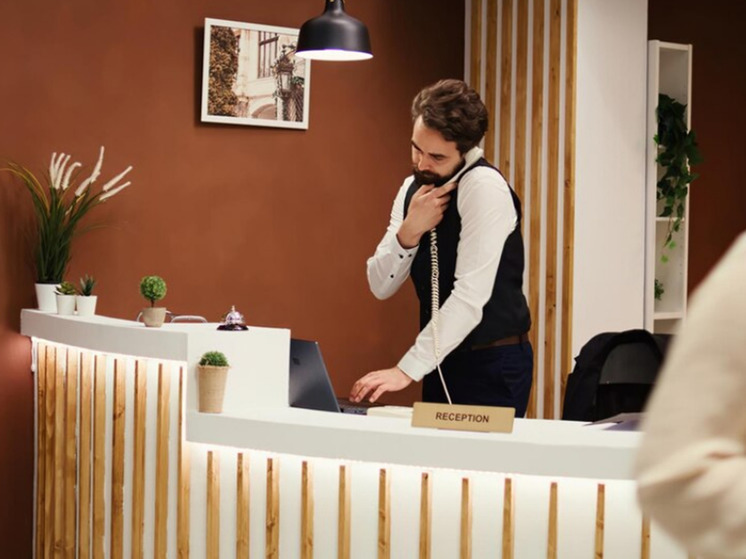
Today, a resort tax is valid (and will be valid until the end of 2024), but not everywhere, but in a number of tourist regions: in St. Petersburg, Sochi, Crimea, Krasnodar, Stavropol and Altai territories. The fee is paid by the guest of the “accommodation facility”, be it a hotel or a sanatorium, at a rate of 30-100 rubles per day, depending on the locality. However, according to the vice-president of the Russian Union of Tourism Industry, Alexei Musakin, the idea of a resort fee did not justify itself, since it is “too labor-intensive” for hoteliers: they have to open a special account and allocate a separate person to account for fees from their guests. The travel tax approved at the top will be collected from the accommodation facilities themselves from the beginning of the new year. It would seem that tourists can only rejoice.
“But only this will most likely increase the cost of living,” says lawyer Roman Kulagin. – The amount of the tax will be established by local authorities of municipalities and cities of federal significance by their own separate regulations. And they have the right to vary them depending on seasonality and hotel category. That is, it is clear that they will act in their own interests, and not in the interests of the tourist.
True, local authorities reserve the right not to levy taxes at all. There is also a minimum amount of travel tax — 100 rubles per day. If the tax as a percentage of the price of accommodation is less than the minimum tax, the minimum tax is paid. The tax rate should not exceed 1% of the tax base in 2025, and then +1% annually until 2029, when the rate becomes 5%. And the tax base is considered to be the cost of the accommodation service, that is, the cost of a hotel room or bed in a hostel excluding tourist tax and VAT. For example, a day’s stay in a holiday home costs 3 thousand rubles, that is, a travel tax of 1% of this amount in 2025 will be 30 rubles. But you will have to pay at the minimum scale, that is, 100 rubles.
— Oh, it’s hard for me to understand, — most tourists brush off the question about replacing the “course tax” with a “tour tax”. – I like the wording that it is not the tourist who pays, but the hotel, and that’s all. And if they increase the prices for accommodation, they are already increasing them. Some kind of soap!
The tourism industry says that the travel tax is intended to “help small accommodation facilities get out of the gray zone, which often do not show real occupancy.” Accommodation facilities whose guests are federal beneficiaries are exempt from the tax. Including members of the Northern Military District, Heroes of the USSR and Russia, full holders of the Order of Glory; Heroes of Socialist Labor or Heroes of Labor of the Russian Federation, as well as those awarded the Order of Labor Glory of three degrees; participants and disabled people of the Great Patriotic War; veterans and disabled combat veterans; awarded with the badges “Resident of besieged Leningrad”, “Resident of besieged Sevastopol” or “Resident of besieged Stalingrad”, as well as adults and children with disabilities. At the same time, local authorities have the right to expand the list of their beneficiaries.
“We don’t think that the new type of fees will affect the flow of tourists,” representatives of the operator Space Travel answer the question of how the innovation will affect the tourism industry. – These fees do not apply to travel agents and tour operators; the money will be collected and donated to special funds by the accommodation facilities. The resort tax was an experiment, and Crimea left it early. In Crimea, a large percentage of accommodation is in guest houses, which, like other private accommodation facilities, are not subject to resort fees or tourist taxes. Some subjects want to bring such objects out of the shadows, others, on the contrary, want to preserve and support them. As for the tourists themselves, the amount compared to current prices is so minimal that they will not notice the changes.