


Expert: «The remaining state programs will negatively affect the availability of housing for those who do not qualify for preferential terms»
New Moscow broke all records before the end of the preferential mortgage program. According to analysts, the average price per square meter of apartments and flats for the first six months of 2024 was 247 thousand rubles (plus 9% per year). However, despite the general excitement in Russia and, of course, in Moscow, demand did not affect the purchase of housing in the annexed territories: it decreased by 26%. If people bought apartments, it was more out of desperation.
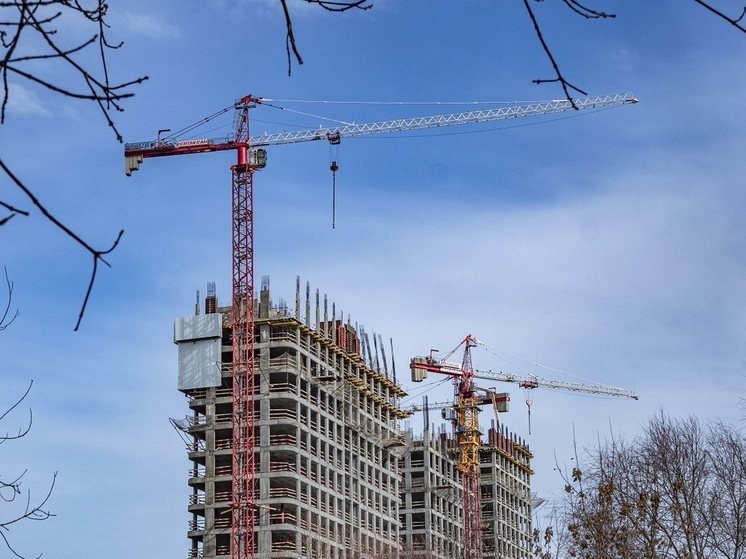
Experts say that in June, the area of apartments purchased by Russians in New Moscow was a record low: on average — 43 square meters. This suggests that people were trying to buy at least something before the end of the state program of preferential mortgages. Many took out consumer loans to make a down payment of 3-4 million.
— Active demand in New Moscow is explained by the desire of buyers to have time to buy real estate before the end of the preferential mortgage at the most affordable prices, — says the managing director of the company «Metrium» Ruslan Syrtsov.
Recall that the loan size under the preferential mortgage program did not exceed six million rubles. And the maximum cost of housing that could be purchased with a minimum down payment of 30% was 8.57 million. At the beginning of June, there were 800 such apartments in «old» Moscow, and 4.9 thousand in New Moscow.
At the end of June, there were 3.9 thousand such offers in New Moscow. But they no longer fall under the program with a relatively affordable preferential rate for all Russians, but only for the chosen ones. And the privileges that the state provides to the poorest sections of the population — computer specialists and families with children under six — throw the average Russian overboard.
— The restriction on the design of apartments smaller than 28 square meters, family and IT mortgages — all this supports the price level and will negatively affect the availability of housing for those who do not qualify for preferential conditions, — concludes Ruslan Syrtsov.