


The astronomical secrets of the ancient «Lunar» pyramid have become known
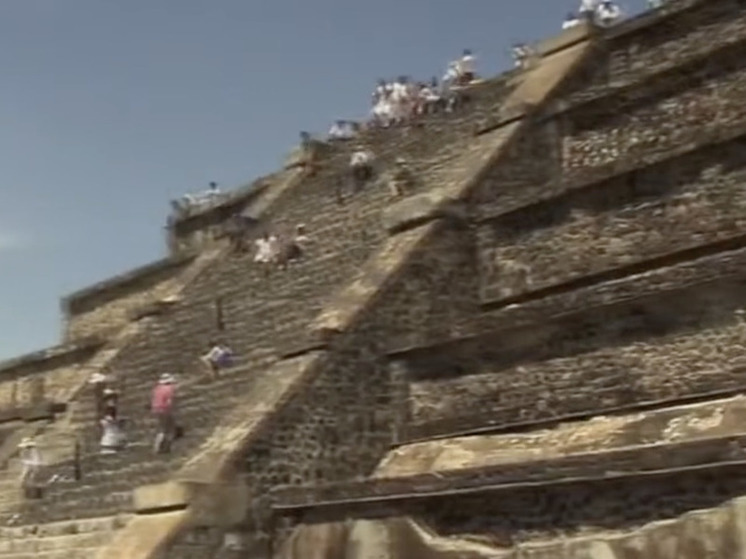
https://www.inah.gob.mx/a group of archaeologists working under under the auspices of the National Institute of Anthropology and History (INAH), has revealed the purpose of the Pyramid of the Moon in Teotihuacan, an ancient city located 50 kilometers from modern Mexico City. The results of the study were published on the official INAH website.
Teotihuacan, which flourished from 100 to 800 AD, had a population of about 100,000 people. The Pyramid of the Moon is one of the largest structures of pre-Columbian America, reaching a height of 42 meters.
A team of archaeologists took numerous measurements and found that the northeastern corner of the pyramid coincides with the point of sunrise over the El Sihuingo volcano on the day of the summer solstice.
In addition, the southwestern corner of the pyramid corresponds to the position of the Sun when it sets behind the mountain during the winter solstice.
The researchers noted that the orientation of the pyramid in accordance with solar phenomena probably influenced the layout of the entire city.
Archaeologists also explained why the pyramid, named after the Moon, was oriented in relation to the Sun. According to scientists, this name was given by the Aztecs during the period when Teotihuacan was already abandoned, and it is unknown what its creators called it.