


Experts told how prices at gas stations will change
From the beginning of August, a ban on gasoline exports came into force in Russia, which, as follows from government documents, will last until October inclusive. According to First Deputy Minister of Energy Pavel Sorokin, the government made this decision in order to stabilize the market, saturate it with supply and prevent sharp price increases, including at the wholesale level.
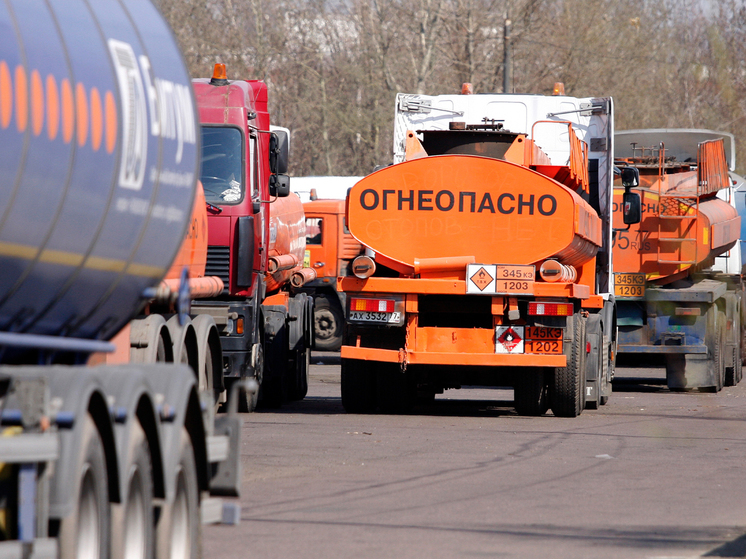
Let us recall that the ban on gasoline exports from the Russian Federation was in effect in 2023 from September 21 to November 17 to stabilize the price situation on the domestic motor fuel market. A similar measure also applied to diesel fuel.
At the same time, the government again introduced a temporary ban on gasoline exports (but not diesel) from March 1 to August 31, 2024, which was then suspended from the end of May to July inclusive.
Now, from the beginning of August, the ban on gasoline exports, temporarily lifted in July, will actually come into effect again. According to the government, this is being done to provide for the domestic fuel market. At the end of July, retail gasoline prices in Russia are at a historical maximum, exceeding the peak set in September last year. By the beginning of August, the average price of AI-92 rose to 55,888 thousand rubles per ton, AI-95 — 74,461 thousand rubles per ton.
MK found out from experts how the measure introduced by the government will affect the fuel market in general and gasoline prices in particular.
“A temporary ban on the export of gasoline is one of the measures to regulate prices on the domestic market. The cost of a liter of gasoline has been rising for two months now, since the ban was lifted. The entire production volume was washed away, being sent throughout the country and abroad. This has caused a shortage of available supply: sowing work has been completed, but during the holiday period the demand for fuel does not subside, and throughout the country (due to the growth of domestic tourism). The logical consequence of a decrease in supply with consistently high demand is an increase in prices.
The new measure is intended to reduce unrest on the stock market, which is usually more volatile than the retail market, and to reduce wholesale prices. As a result, the price for the end consumer will also fall by 5-7%.
It will also be inappropriate to lift the ban in early autumn due to harvesting work, but in early October this can be done without harming the domestic market.»
“This measure is forced due to the continuous increase in fuel prices at gas stations. The measure is intended to normalize the balance of supply in the domestic market and ensure stability in the price of gasoline. At the same time, it is necessary to understand that the volumes of gasoline that are exported are relatively small on the scale of the country and its exports of oil and petroleum products. The measure is more of an impact nature, that is, it is aimed at selling raw materials within the country and avoiding possible shortages in individual regions. It is worth noting that, despite the rise in gasoline prices, the cost of fuel remains relatively low when comparing offers in Europe.”
«The increase in retail fuel prices is a powerful inflationary factor, since sellers usually include the increase in the cost of delivery of various goods in their final cost to the consumer. In July of this year, the population's inflation expectations for the next 12 months increased significantly (from 11.9% to 12.4%), and the average annual inflation rate increased to 9%, which was twice as high as the Bank of Russia's previous target level for the entire year. Against this background, it raised the key refinancing rate in the country to 18% per annum, but without limiting the growth of domestic fuel prices, it will not be possible to cool inflation. Previously, the Russian authorities had already introduced a ban on fuel exports from Russia, which made it possible to lower its wholesale price on the St. Petersburg International Mercantile Exchange (SPIMEX) by about 10-12%. Against this background, the FAS also managed to limit the growth of retail prices at gas stations within the framework of the average annual inflation in the country. In August 2024, we can also expect a decrease in domestic wholesale fuel prices on the exchange, which will not allow retail prices at gas stations to rise, since the FAS is monitoring them very closely.»
«The temporary renewal of the ban on gasoline exports is most likely an attempt by the government to contain the growth of gasoline prices on the domestic market. The export ban may help increase the supply of gasoline on the domestic market, which may lead to lower prices or at least slow down their growth. Thus, the ban may make gasoline more affordable for Russian consumers.
A potential downside is that the ban will reduce export revenues, which are an important source of foreign exchange for the Russian economy. The ban may lead to a shortage of gasoline if domestic production is unable to fully compensate for the reduced supply. The ban may also create problems with the logistics and storage of gasoline, especially in remote regions.
As for prices, on the one hand, the ban may lead to a short-term decrease in prices, as the supply of gasoline on the domestic market will increase. On the other hand, the ban may increase prices in the long term if it leads to a reduction in export revenues, which may limit investment in gasoline production. An important factor will be the effectiveness of export control measures. If the ban is easy to circumvent, it will not have a significant impact on prices.»