


Scientists: Even a small amount of alcohol is bad for blood pressure
How does drinking, even in small amounts, affect blood pressure? A new study has shown that just one drink of alcohol per day increases systolic blood pressure — the highest rate in terms of blood pressure — even in men and women without existing hypertension.
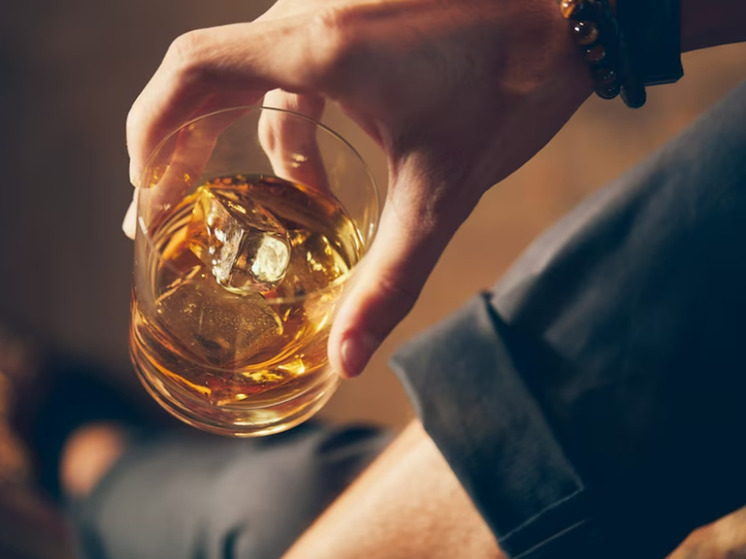
«We did not find any beneficial effects in adults who drank little alcohol compared to those who did not,» study senior author Dr. Marco Vincheti, professor of epidemiology and public health at the University of Modena and Reggio Emilia, said in a statement. in Italy.
As CNN notes, the study found that alcohol's negative impact on systolic blood pressure continued to rise over the years, even in men and women who drank little every day. Small amounts of alcohol also increased lower, or diastolic, blood pressure, but only in men, according to a study published today in the journal Hypertension.
«Both systolic and diastolic rates contribute to (cardiovascular) risk and go hand in hand, but of the two, systolic blood pressure is by far the most important risk factor in adults,» said study co-author Dr. Chair of Global Public Health at Tulane University School of Public Health and Tropical Medicine. in New Orleans and President of the World Hypertension League.
Blood pressure is measured in millimeters of mercury (abbreviated as mmHg) and is written as two numbers one above the other, reminiscent of CNN. According to the American Heart Association, the upper, or systolic, value, which measures the force of blood pressure against the walls of the arteries as the heart beats, is considered «a major risk factor for cardiovascular disease in people over 50 years of age.» The lower, diastolic, value measures the pressure in the arteries when the heart muscle is resting between beats.
Normal systolic pressure is usually 120 mm Hg. or lower, but tends to rise as blood vessels weaken and constrict with age. Normal diastolic blood pressure is below 80 mmHg but begins to decline with age as the arteries lose their elasticity and become stiff, sometimes resulting in an increased heart rate.
“Alcohol is certainly not the only cause increase in blood pressure; however, our results confirm that it makes a significant contribution, says Marco Vincheti. – It is recommended to limit the consumption of alcohol, and even better to avoid it”.
The idea that heavy drinking raises blood pressure has been around for a long time, notes Dr. Andrew Freeman, director of cardiovascular disease prevention and wellness at the National Jewish Health Center in Denver.
“However, this review showed that relatively low levels of alcohol affect blood pressure, emphasizes Dr. Freeman, who was not involved in the study. – So, for me, this is yet another study showing that there may not be a safe amount of alcohol.
The review analyzed data from seven studies conducted in Japan, South Korea and the United States between 1997 and 2021. The study included more than 19,000 adults aged 20 to approximately 70 who had no previous diagnosis of alcoholism, binge drinking, cardiovascular disease, diabetes, or liver disease over an average five-year time frame.
At the start of the study, all participants were asked about their typical alcohol consumption, which was converted to grams of alcohol to avoid differences between countries in what constitutes a «standard drink». The World Health Organization, for example, sets a standard of 10 grams of alcohol per drink, while the US defines it as 14 grams.
“In the US, you probably drink more than one standard drink a day,” says Welton. – If you're served 14 grams of wine at a restaurant, you'll want to tell your waiter, «You're a cheapskate, come back and pour me a real glass of wine.» We think we're drinking the same standard drink, but we're not”
Researchers used statistical data to plot the effect of different amounts of alcohol on blood pressure over time. Drinking an average of 12 grams of alcohol per day, or less than one standard drink in the US, resulted in a slight increase in systolic pressure of 1.25 mmHg. Art. an average of five years, notes CNN.
“We were somewhat surprised to see that consumption of already low levels of alcohol was also associated with higher changes in blood pressure over time compared to no consumption—although far less than the increase in blood pressure seen in heavy drinkers.” , — says Dr. Vincheti.
In people who consumed an average of 48 grams of alcohol per day, or almost 3.5 standard drinks in the US, systolic blood pressure increased by almost 5 mmHg. Art. over the same period of time compared to those who did not drink alcohol.
“This will certainly take you from a pre-hypertensive state to a hypertensive state, just like eating too much sodium, too little fruit vegetables and lack of physical activity will push you in the wrong direction,» Welton said.
Another finding, Welton says, was that the effect of alcohol on blood pressure was even more significant if a person's blood pressure was already on the rise when the study started.
“This suggests that people with a tendency to have high blood pressure can benefit most from low or no alcohol consumption,” he said.
So how do these study results fit in with previous studies that have shown that alcohol can be good for the heart? First, according to Welton, many of the old randomized clinical trials compared only those who drank lightly with those who drank heavily, and not with those who did not drink at all.
“What we commonly seen in clinical trials is that drinkers are randomized to lower amounts of alcohol, such as light beer, compared to continuing to drink as usual. And, of course, those who drank little or moderate amounts of alcohol had better outcomes,” said Paul Welton, who co-authored a meta-analysis of such studies.
“In terms of blood pressure, I think most people would agree that there is no level at which alcohol is safe,” he added. – From a cardiovascular point of view, you can have mixed opinions”.
According to Andrew Freeman, studying alcohol use is difficult because it is associated with behaviors that may or may not be beneficial.
“If you drink at night in a smoky bar with friends, secondhand smoke and alcohol will certainly disturb your sleep, both of which are unhealthy,” he said. – But you also benefit from socialization.
Studies in the Blue Zones, areas of the world where people typically live to be 100 or older, have shown that diets in these areas often include small amounts of alcohol , which is usually consumed at dinner.
“Sometimes it can be difficult to identify these associations,”, — admits Dr. Freeman. «First of all, I don't recommend people start drinking,» he said. “If they do drink, they should try to really keep it to a minimum, and then do their best to maintain healthy lifestyles that help the heart, such as exercise and stress reduction. Exercise is a surprisingly effective way to lower blood pressure, both systolic and diastolic, as it helps the heart to relax and maintain a higher working capacity.”