


Ancient medallions found during therapeutic exercise impressed scientists
In Norway, a “golden find of the century” was made with the help of a metal detector. Erlend Bore, who was walking on the instructions of a doctor, discovered a treasure including rare medallions from around 500 AD.
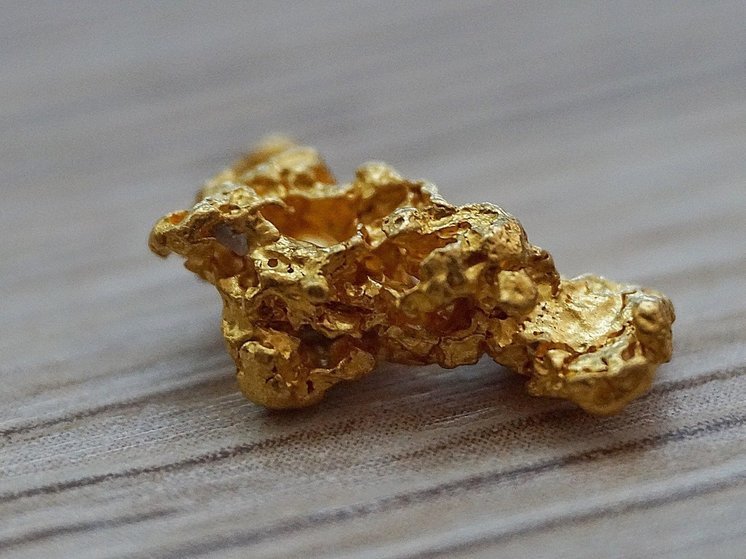
A Norwegian man, taking a walk on the advice of doctors, discovered rare sixth-century gold jewelry using a recently purchased metal detector. Archaeologists called this discovery the “gold find of the century” in Norway, writes The Guardian.
The cache contained nine gold medallions and gold pearls, which once made up a luxurious necklace, as well as three gold rings. Jewelry weighing just over 100 g was found around 500 AD.
“At first I thought they were chocolate coins or Captain Sabretooth coins,” said Erlend Bore, 51, referring to the fictional Norwegian pirate. “It was completely unreal.”
Archaeologists say the find is unique because of the design on the medallions: a type of horse from Scandinavian mythology.
Bore, who dreamed of becoming an archaeologist as a child, made the discovery on the southern island of Rennesøy, near Stavanger, in August after buying a metal detector on the advice of doctors to get more exercise and exercise.
As The The writes. Guardian, the man went searching and was about to head home when the device suddenly began beeping on the hillside.
Erlend Bore called the archaeologists, who took over further searches.
Ole Madsen, director The Archaeological Museum of the University of Stavanger claims that this is the “gold find of the century in Norway”: “To find so much gold at once is extremely unusual.”
Haakon Reiersen, an assistant professor at the museum, said the gold pendants — flat, thin, single-sided gold medals called bracteates — date from the so-called Norwegian Migration Period, which lasted between 400 and about 550 AD, when migrations were widespread in Europe .
“Given the location of the find and what we know from other similar finds, it is possible that we are talking about either hidden valuables or an offering to the gods during dramatic times,” the scientist said.
< p>According to Reiersen, the pendants and gold pearls were part of a «very impressive necklace» created by skilled jewelers and worn by the most powerful people in society. He added that «No such discovery has been made in Norway since the 19th century, and this is also a very unusual discovery in the Scandinavian context.»
Professor Sigmund Erl, who also works at the Stavanger Museum, said that the symbols on the pendants usually depict the Norse god Odin healing his son's sick horse. On the Rennesoi horses, the horse's tongue hangs from gold pendants, and «its hunched posture and twisted legs show that it is injured,» Earle said.
«The horse symbol represented illness and grief, but at the same time hope for healing and new life,” the professor added.
In accordance with Norwegian law, Bore and the landowner will receive a reward, the amount of which has not yet been determined, writes The Guardian. Items dating before 1537 and coins older than 1650 are considered state property and must be surrendered