


Analysts predicted the future of the “wooden” currency for January 2024
The Central Bank announced the resumption of operations in the domestic foreign exchange market from January 9, 2024, to replenish the funds of the National Welfare Fund (NWF) . This is stated in a message on the regulator’s website. The daily volume of currency sales by the Bank of Russia in the first half of the year may amount to 11.8 billion rubles per day. Experts told MK what the reason for this decision was and how it would affect the ruble exchange rate.
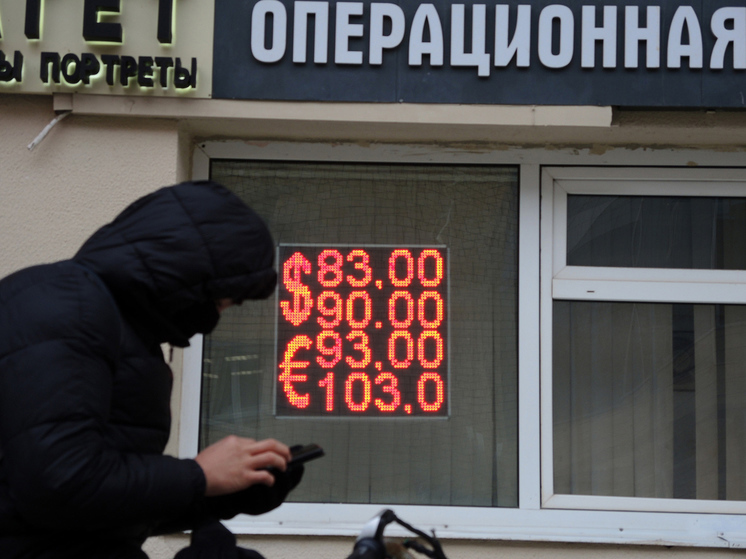
“The Bank of Russia announced that the sale of currency for 2024 will not take into account the budget rule. And the sales amount of 11.8 billion rubles daily will be adjusted depending on the volume of oil and gas revenues. Most likely, this measure will support the ruble immediately after the January holidays. We believe that the Russian currency can significantly correct its position. The ruble may move towards the range of 84-87 rubles per dollar after January 9, 2024. The euro exchange rate will also move downward, approximately in the corridor of 94-97 rubles per euro.”
“The Central Bank, when deciding to sell or buy currency, is always guided by the domestic Russian market situation and the price of the currency. When it is profitable to replenish reserves, the regulator does this; when it is necessary to influence the exchange rate, the Central Bank also decides to sell dollars and euros or stop doing this. After the New Year holidays, when there is a low level of activity on the stock exchange (unlike the end of December), any actions of the Central Bank will affect the ruble exchange rate. In January, currency sales by the Central Bank will help strengthen the ruble exchange rate. But you shouldn’t expect the dollar to drop below 90 rubles — most likely, these operations will fix the currency at about 95-97 rubles per dollar for some time. These measures on the part of the regulator are proactive actions in order to prevent a sharp weakening of the national currency after the start of exchange trading (after the long New Year holidays).»
«The goal of the regulator is to withdraw ruble liquidity from the economy and stabilize the ruble exchange rate with to reduce inflation. Selling foreign currency is a clear factor in strengthening the exchange rate. Now the Central Bank sells about 0.7 billion rubles daily, so the increase will be quite significant. However, we must take into account that at the same time the Central Bank will be selling currency within the framework of the budget rule, so you should not expect a sharp strengthening of the ruble.”