


Researchers are sounding the alarm about climate records
While frosts returned to Moscow in March, scientists made an amazing discovery: last February turned out to be the warmest on record in the world. Moreover, the data shows that the world's average temperature over the past 12 months was the highest on record — 1.56 °C above pre-industrial levels
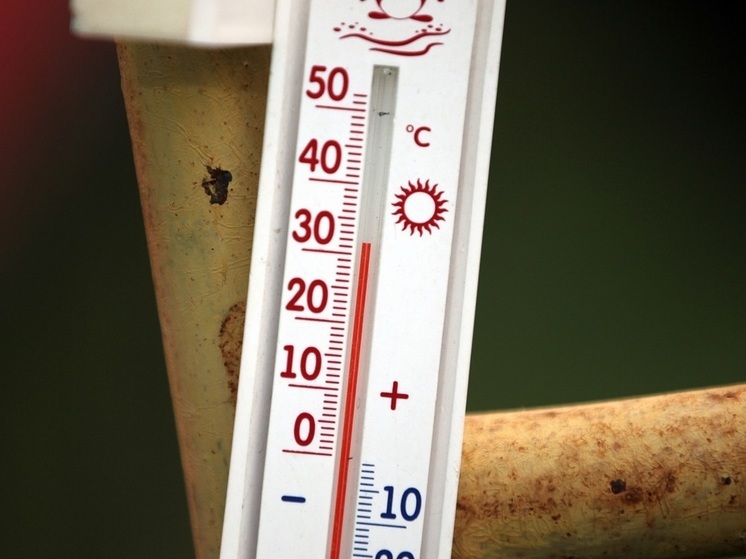
Last February was the warmest on record globally, making it the ninth month in a row with record temperatures for the time of year, scientists said.
Global sea surface temperatures are also at their highest levels on record. , according to data from the European climate change service Copernicus.
According to The Guardian, data shows that February was at 1.77° C warmer than the monthly average for the pre-industrial period, 1850 to 1900, and 0.81°C above 1991-2020 levels. Average global temperature over the past 12 months – from March 2023 to February 2024 – was the highest on record and 1.56°C above pre-industrial levels.
This temporarily puts global temperatures above the 1.5 degrees Celsius threshold beyond which the worst impacts of climate change are expected in the long term .
According to Copernicus, daily average global temperatures were “exceptionally high” during the first half of the month, reaching 2 degrees above 1850-1900 levels for four days from February 8 to 11.
Temperatures in Europe in February 2024 were 3.3°C, according to the data. above the monthly average for 1991-2020, with temperatures well above the average experienced in Central and Eastern Europe.
Winter in Europe, from December to February, was the second warmest on record in continent.
The average global sea surface temperature in February outside the polar regions was the highest on record at 21.06°C, exceeding the previous record of 20.98°C. C, set in August 2023.
According to Copernicus, the average daily sea surface temperature reached a new absolute maximum of 21.09 degrees Celsius at the end of the month.
Carlo Buontempo, director of the Copernicus Climate Change Service, said: “February joins a long string of records over the past few months. As remarkable as this may seem, it is actually not surprising since the continued warming of the climate system will inevitably lead to new extreme temperatures. The climate responds to the actual concentrations of greenhouse gases in the atmosphere, so if we fail to stabilize them, we will inevitably face new global temperature records and their consequences.
Dr Friederike Otto, senior lecturer in climate science at the Grantham Institute of Climate Change and the Environment at Imperial College London, said: “There is so much evidence now that our climate is warming that if you want to deny climate change, you might as well You can say that the Earth is also flat. Billions of measurements from weather stations, satellites, ships and airplanes point to the simple fact that our planet is warming at an alarming rate. People shouldn't be surprised that we broke another record. People continue to burn oil, gas and coal, so the climate continues to warm. This is a very well understood relationship. There is no «silver bullet» or a magical solution to climate change. We know what to do: stop burning fossil fuels and replace them with more sustainable, renewable energy sources. Until we do this, extreme weather events, exacerbated by climate change, will continue to destroy lives and livelihoods.