


Scientists evaluate drug side effects
People taking popular weight loss and diabetes drugs may have a higher risk of developing a rare form of blindness, according to a new study. However, American doctors say this should not deter patients from using drugs to treat diabetes or obesity.
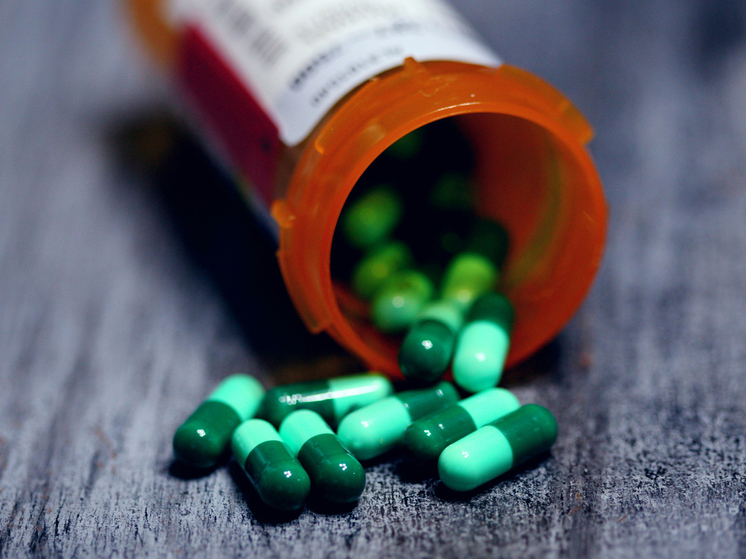 Photo: unsplash.com
Last summer, doctors at Mass Eye and Ear noticed an unusually high number of patients with nonarteritic anterior ischemic optic neuropathy (NAION), a type of eye stroke that causes sudden, painless loss of vision in one eye.
This is a relatively rare disease — it can affect up to 10 out of 100,000 people in the general population, — But doctors noted three cases in one week, and each of those patients was taking semaglutide, a drug used to treat type 2 diabetes and obesity, CNN reported.
An analysis of medical records over six years found that people with diabetes were more than four times more likely to be self-diagnosed if they took semaglutide on prescription, while people who were overweight or obese were more than seven times more likely to develop the condition if they took the medication. The risk was found to be greatest in the first year after receiving a prescription for semaglutide.
The study, published Wednesday in the medical journal JAMA Ophthalmology, cannot prove that semaglutide drugs cause inflammation. And a small number of patients — on average, about 100 cases were detected every year — from one tertiary care center may not generalize to the broader population.
Novo Nordisk, maker of the only U.S. drug semaglutide, stressed that the data from the new study are insufficient to establish a cause-and-effect relationship between the use of semaglutide drugs and NAION.
«We take all reports of side effects from our medications very seriously,» a company spokesperson wrote in an email to CNN.
Prescriptions for semaglutide have increased sharply in the United States, which may increase the number of people affected by potential side effect. Additionally, NAION is the second leading cause of optic nerve blindness after glaucoma, CNN notes. But even with the increased risk, the disease remains relatively rare.
“The use of these drugs has rapidly spread throughout industrialized countries, and they have provided very significant benefits in many ways, but future discussions between a patient and their physician should consider NAION as a potential risk,” said lead investigator Dr. Joseph Rizzo, director of Neuro-Ophthalmology Department of Mass Eye and Ear and Professor at Harvard Medical School. – Our results should be considered important but preliminary as future research is needed to examine these issues in a much larger and more diverse population.
Experts agree that the potential risk of developing NAION should not prevent the use of semaglutide drugs for the treatment of diabetes or obesity.
“In the ever-changing world of systemic therapy, being vigilant about potential associations with new diseases is a responsibility we all share on behalf of patients,” says Susan Mollan, an ophthalmologist at University Hospital Birmingham in the UK, in a related commentary. But the large number of people taking semaglutide should provide reassurance that the absolute risk of developing NAION as a result is rare.
The ways in which semaglutide interacts with the eyes are not fully understood. The exact cause of the disease is also unknown. This disease causes damage to the optic nerve, but often there is no warning before vision loss.
Changes in blood sugar can affect the shape of the eye's lens and impair vision, says Dr. Disha Narang, an endocrinologist and director of obesity medicine at Endeavor Health in Chicago. She did not participate in the new study.
And the use of semaglutides, which cause the body to produce more insulin to lower blood sugar levels, has previously been associated with temporary changes in vision — new or worsening cases of diabetic retinopathy or damage to blood vessels in the back of the eye, likely due to rapidly rising blood sugar levels.
FDA-approved labels ) for both Ozempic and Wegovy, potential side effects include vision changes, and Novo Nordisk is studying the link between semaglutide use and diabetic retinopathy in a study expected to complete in 2027.
“Patient safety is of paramount importance to the FDA, and we continually review available data sources and new information about the potential risks associated with drugs, including GLP-1 receptor agonists, and update labeling as necessary to communicate new information about potential risks to healthcare providers and patients,” says Chanapa Tantibanchachai, FDA spokesperson. an FDA press officer told CNN via email.
Although there is a “biologically plausible mechanism” potential interaction, «the association is not causation,» and diabetes is a known risk factor for NAION, Dr. Andrew Lee, a clinical spokesman for the American Academy of Ophthalmology and a neuro-ophthalmologist at Houston Methodist Hospital, told CNN via email. He was not involved in the new study.
For now, patients taking semaglutide or considering treatment should discuss the risks and benefits with their doctors, especially those who have other known optic nerve problems. such as glaucoma or pre-existing vision loss, experts say.
“It is important to consult an ophthalmologist if patients experience vision changes, recommends Narang. – It is important to ensure that patients consult with physicians who are also comfortable prescribing semaglutide and discuss what may be clinically relevant and what may not be relevant, and discuss the benefits and risks of long-term therapy.