

Scientists argue about the impact of coronavirus on the psyche
New study shows that the impact of COVID-19 on mental health is not as great as it seemed at first glance — so people who have had a coronavirus disease you can catch your breath a little. The pandemic has resulted in “minimal” changes in symptoms, according to a review by McGill University researchers.
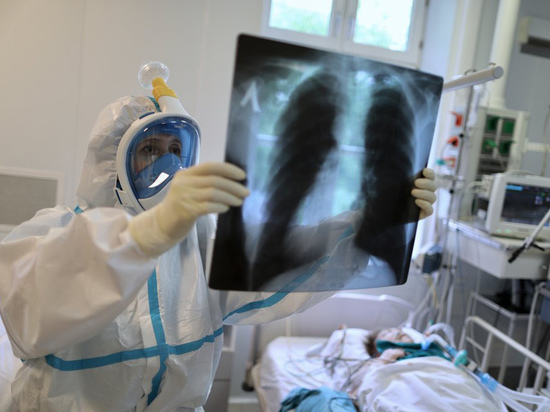
COVID-19 may not have affected the mental health of most people as much as previous studies have indicated. This is the conclusion of scientists as a result of a new study, writes The Guardian.
The pandemic has led to “minimal” changes in mental health symptoms among the general population, according to a review of 137 studies from around the world conducted by researchers from McGill University in Canada and published in the British Medical Journal.
Brett Tombs, professor of psychiatry at McGill University and senior author of the study, said some of the public speculation about the mental health implications of COVID-19 is based on «poor quality research and anecdotal evidence» that have become «self-fulfilling prophecies», adding that there is a need for more “rigorous scientific approach”.
However, some experts have disputed this assumption, warning that such readings may obscure the impact of the coronavirus on certain groups (such as children, women, and people with low incomes or pre-existing mental health problems). The experts also said that other reliable studies had come to different conclusions.
For his part, Professor Tombs notes: “Mental health in COVID-19 is much more subtle than people think. Claims that the mental health of most people deteriorated significantly during the pandemic were based mainly on individual studies that are «snapshots» of a specific situation, in a specific place, at a specific time. They usually do not involve any long-term comparison with what existed before or after.”
Researchers from McGill University said their findings are consistent with the largest study of suicides during the pandemic, which did not find an increase in the number cases, and are applicable to most populations, including different ages, genders, and the presence of pre-existing diseases in people. Three-quarters of the studies were on adults, mostly from middle- and high-income countries.
However, the study authors acknowledged that during the pandemic, women experienced an increase in anxiety, depression, or general mental health symptoms, possibly because they were taking on more family responsibilities, or because of an increase in health or welfare work, or , in some cases, due to domestic violence.
The researchers also noted that symptoms of depression worsened «from minimal to negligible» in older people, university students, people who self-identified as belonging to a sexual or gender minority group, and parents.
The panel concluded that governments and health care providers need to provide better and more timely mental health data to better allocate resources, and that governments should continue to fund services appropriately, especially for the groups most affected by the pandemic.
Other studies have shown that the mental health effects of the pandemic have been much more severe. In 2021, researchers from the University of Queensland determined that anxiety and depression had increased sharply worldwide in 2020, while in April 2021 the Royal College of Psychiatrists saw a sharp increase in mental disorders, and in February 2022, leaders of the National Health Service warned of “second pandemic” of depression, anxiety, psychosis and eating disorders.
Commenting on the McGill University study, Gemma Knowles of the Center for Society and Mental Health at King's College London notes that these results echo other studies, including her own, showing that some people's mental health improved while others worsened during the pandemic, which may mean no overall improvement.
She added that the study, which is broad-minded and includes limited analysis by subgroup, “risks of obscuring important implications among the most affected and disadvantaged groups and therefore obscuring the possible widening of inequalities in mental health conditions that have arisen due to the pandemic. ”.
Roman Rachka, Chair of Clinical Psychology at the British Psychological Society, agreed: “We don’t have the full picture yet, and further research is needed on the impact of the pandemic on groups experiencing longstanding social and health inequalities. We know that overburdened and underfunded mental health services have not been able to meet the skyrocketing demand in recent years. It is vital that the government adequately fund services to provide the necessary support.”
But Professor Peter Tyrer, Emeritus Professor of Community Psychiatry at Imperial College London, stressed that the work of the Canadian scientists was “of good quality and reflects much of what what we now know.”