


The reason for the rise in prices is the collapse of the ruble
August in Russia is not in vain considered a toxic month. Producers and suppliers of food once again vying with each other predict a rise in the price of products. The growth of price tags on the shelves threatens to start as early as September. First of all, turkey and pork, sausage and sausages were at risk. Now tea and coffee have joined this list, the cost of which may also rise in the first days of autumn.
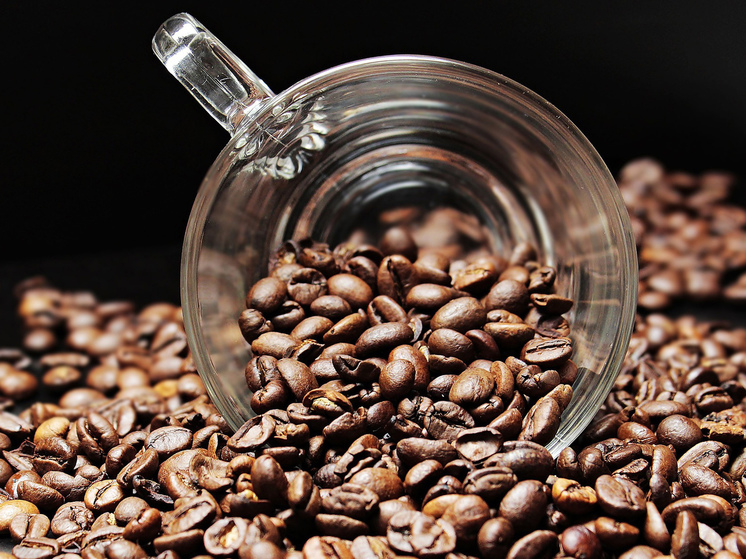
Coffee and tea do not grow in our country, all these invigorating drinks are 100 percent imported, for foreign currency. The ruble, as you know, is falling, since the beginning of the year it has lost 30%. This is where the price increase comes from. So far, manufacturers are promising a gentle price increase, by 6-9%, and not abruptly, but smoothly.
But dashing trouble is the beginning. Indeed, in the price component there is another factor that is of particular importance. Since the beginning of the year, coffee on the New York Mercantile Exchange has risen in price by 20%, and tea — by 1.5 times. It is even surprising that the prices for tea and coffee in Russia are still at the same, albeit high, level. So, an 800-gram package of coffee beans at a discount costs 1,000 rubles, without a discount — 2-2.2 thousand. For an instant drink in a large jar, you will have to pay at least 750 rubles. Long leaf black tea (200 grams) costs at least 250 rubles for the promotion and 400 «re» without a discount.
Producers warn: these are by no means low prices, they support them with all their might. The previously made stocks of raw materials, bought at the rate of 75 rubles per dollar, help out. But they also end. Now we have to make purchases for 90 or even more rubles.
In a word, we will cheer up for the winter, but not from a cup of coffee, but from new prices for it: at least another 20% will have to be added to today's values. And yet, some experts urge not to dramatize the situation. The biggest increase in the price of coffee happened two years ago, immediately 2.5 times. And the future, they say, is so, flowers.
“The weakening of the ruble will inevitably affect the cost of production,” explains Ramaz Chanturia, general director of the Roschaikofe association. And the manufacturer raises selling prices. This is a key factor in the rise in price. To this we must add the unpredictability of the exchange rate of the national currency in the short term. No one knows how much the ruble will cost against the dollar within 2-3 months. Suppliers who ship products to stores today will receive revenue for it only in two months. It is not known what the exchange rate will be by this time, maybe the ruble will weaken even more and then there will simply be nothing to buy grains. Here are the main risks that contribute to the rise in price.
– Question for stores. They set prices and have their own trade margins. Just because they have higher entry prices for a product doesn't automatically mean it will go up for shoppers as well.
— Products fried and packaged in Russia are cheaper than those that are imported completely ready-made. For tea, Russian is 95%, for coffee 75%. Therefore, be guided by the goods packaged in our country. Will cost less. These products are subject to the same risk factors that I have already mentioned. But since some of the operations are performed in the ruble zone, it turns out to be cheaper.
— Will not work. Then everything was grown in the ruble zone, the goods had nothing to do with imports. Now Georgia is a separate state with its own currency. In addition, tea production there has decreased by about 10 times, its volumes are not able to cover even a small percentage of Russian needs. We have practically no choice. We grow domestic tea in the Krasnodar Territory, but only 0.2% of domestic needs…
There is no hope that coffee and tea prices will return to their previous values in the foreseeable future. First, in Russia, nothing is getting cheaper. And secondly, in the face of severe sanctions, there are few economic prerequisites for such a reversal. Can something, at least partially, replace tea and coffee for us? So that it doesn’t hit our pocket hard and we continue to rejoice in the morning?
Nutritionist and gastroenterologist Nuria Dianova recommends roasted grains of rye, barley and malt.
— They give a specific taste reminiscent of coffee. There is no caffeine, according to the taste sensations it can be consumed. The second alternative is chicory. It is very useful, especially for those who are overweight or who suffer from diabetes. Both drinks are on sale, the prices are much lower than tea and coffee. For example, a 150 gram pack of chicory costs 80-100 rubles. You can brew them like tea or coffee.