


Researchers can't date amazing stone carvings
Ancient carvings of human faces turned up in Brazil as water levels in the Amazon dropped to record lows.
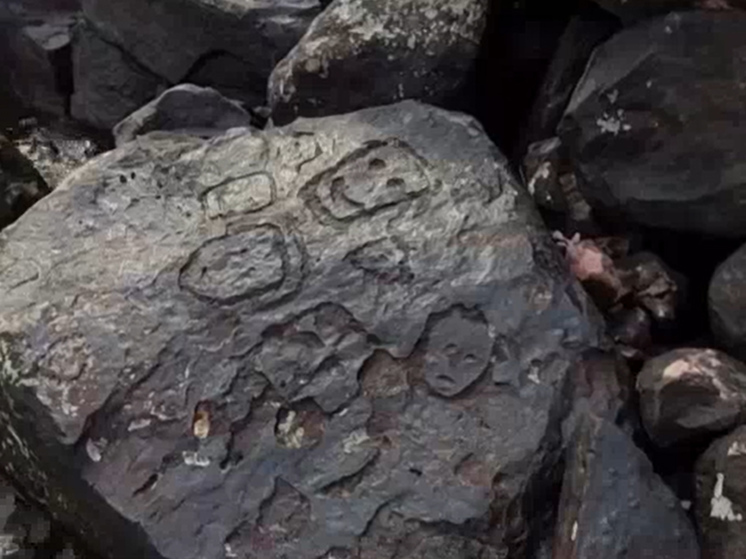
Human faces, carved from stone about 2,000 years ago, appeared on a rocky outcrop along the Amazon River after water levels dropped to record lows during the region's worst drought in more than a century, Reuters reports.
Some cave paintings had been seen before, but now their diversity has increased, which will help researchers determine their origin, archaeologist Jaime de Santana Oliveira said Monday.
In one area, smooth indentations in the rock are visible, which are believed to be where indigenous people once sharpened their arrows and spears long before the arrival of Europeans, notes Reuters.
“These images are prehistoric or pre-colonial . We can't date them exactly, but based on evidence of human settlement in the area, we believe they are about 1,000 to 2,000 years old,” Oliveira said in an interview.
The rocky headland is called Ponto das Lajes on the northern shore of the Amazon, near the confluence of the Rio Negro and Solimões rivers.
Oliveira said the ancient carvings were first seen in the area in 2010, but drought conditions year was more severe: since July, the level of the Rio Negro has dropped by 15 meters, exposing vast expanses of rocks and sand where there were no beaches before.
The climate phenomenon El Niño is believed to be – Cyclical warming of the world's oceans and weather — which fuels tropical cyclones in the Pacific Ocean, increasing rainfall and the risk of flooding in the region — has also affected water levels.
“This time we didn't just find more carvings, but also a sculpture of a human face carved into the rock,” said Oliveira, who works for the National Institute of Historical and Artistic Heritage (IPHAN), which oversees the conservation of historical sites.
In addition to the edges, the stones are also covered with markings such in a manner that suggests that indigenous warriors used them to sharpen tools or weapons.