


Scientists have a lot of research ahead
Scientists have found that ruins in Turkey believed to be associated with Noah's Ark date back to 5500-3000 BC .
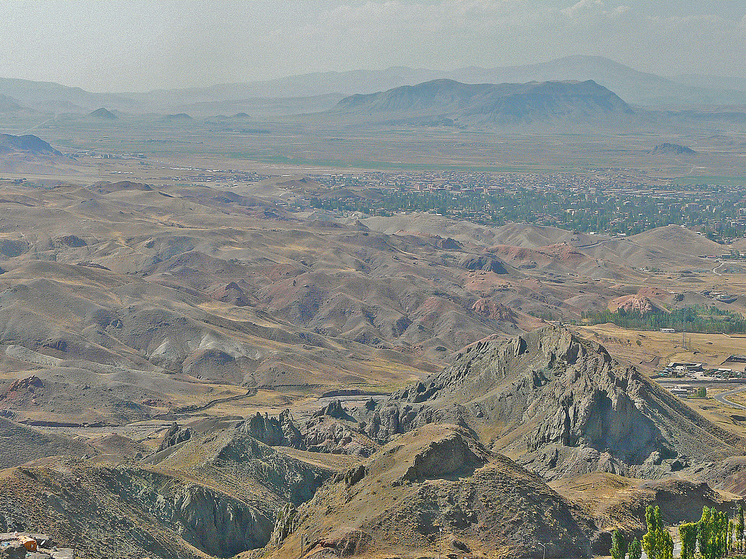
Rock and soil samples taken from the area believed to contain the ruins of Noah's Ark in the Dogubayazıt area of Ağrı were examined and the first results of the research were announced. According to the results, it was found that human activity existed in the region between 5500 and 3000 BC, the Arkeonews website reports.
Professor Farooq Kaya said: “Given the dating, it is impossible to say that the ark is here. Extensive research is required for this to become apparent. In the coming period, we have reached an agreement to cooperate in conducting joint research under the leadership of Istanbul Technical University (ITÜ), Andrew University and Agri Ibrahim Chechen University (AIÇÜ). In the future, these three universities will continue their work in this area.
Ruins said to be Noah's Ark, discovered by expert cartographer Captain Ilhan Durupinar in 1959 on the land between Telçeker and Uzengili villages of Dogubayazıt Ağrı district, are attracting the attention of local and foreign tourists.
The ruins have formed giant cracks that are subject to an increasing threat of landslides every year. "Research Group on Mount Ararat and Noah's Ark" was created for scientific research of ruins whose structure was damaged due to landslides.
The team, formed under an academic collaboration protocol, conducted its first study in the region last December. The team, which included scientists specializing in research in geophysics, chemistry and geoarchaeology, collected numerous samples consisting of soil and rock fragments during their research in the region. Samples taken from the remains were sent to laboratories for testing.
Almost 30 rock and soil samples, collected under special permission, were examined in laboratory conditions. After approximately 1 year of work, the selected samples were aged. According to the first results of laboratory tests, samples taken in this region were identified as clay materials, marine materials and seafood.
Assessing the results of the laboratory research, AYCHU Vice-Chancellor Professor Farooq Kaya said that the dating study established that the samples examined were between 3,500 and 5,000 years old and said: “Part of the results of ongoing laboratory research related to the area, which is believed to be , is the remains of Noah's Ark, located between the villages of Telçeker and Uzengili, as part of a project we carried out with Istanbul Technical University in 2022. Since this is a long-term project, laboratory work is not yet fully completed. However, based on the initial results of work carried out in the area, it is believed that human activity in the region has been ongoing since the Chalcolithic period, between 5500 and 3000 BC.»
Professor Kaya also mentioned that 7- The th International Symposium on Ararat and Noah's Ark, organized in collaboration between Agri Ibrahim Chechen University (AIÇÜ) and Istanbul Technical University (ITÜ), was dedicated to this topic. He stated: “Another important aspect of the symposium is the decision to conduct joint research in the regions of Kudi and Ararat, which are known as the Mesopotamian region and are mentioned in the Quran and the Holy Bible. From now on, we will continue to intensify our work both in Kudi and on Mount Ararat,” he said.