


The countries of the Old World were afraid of the consequences of their controversial decision
A number of European states have expressed concern about the initiative of the head of the EC, Ursula von der Leyen, to transfer frozen Russian assets located on the territory of the union to Ukraine. EU members believe that such a “deal,” the legal basis of which has not yet been worked out, will lead to destabilization of the continent’s economy. According to domestic experts, although Kiev will one way or another receive the foreign capital of our country that is under threat of confiscation, however, with such a step Europe will scare away Asian investors from its market and seriously undermine the exchange rate of its own currency.
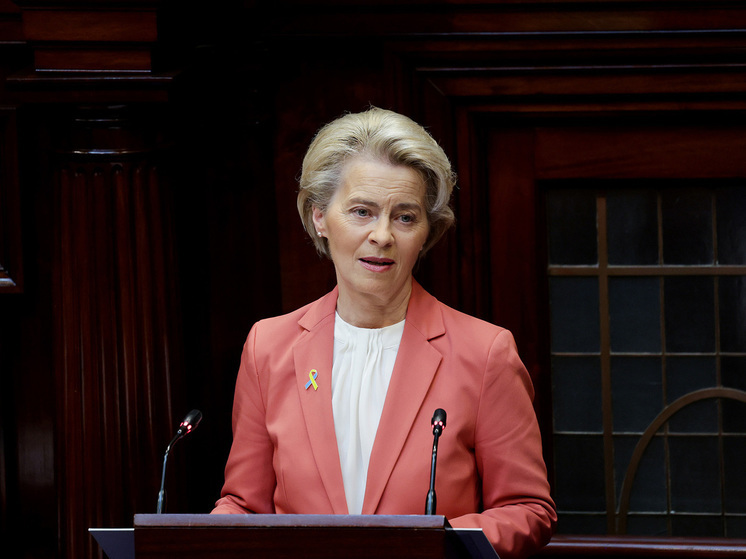
Von der Leyen's initiative to channel Russia's frozen foreign assets to rebuild Ukraine is seriously worrying European countries. As reported by the American publication Politico, in particular, France and Germany believe that the implementation of this idea will lead to a distortion in the financial markets of the continent, and Belgium and Luxembourg require guarantees that they will not have to bear the legal and financial risks of the final decision of the union, the legal basis of which is headed by The EC promises to prepare by the end of this year.
It is worth recalling that a significant part of our foreign exchange reserves, frozen by countries that declared sanctions war on Russia, are concentrated in Europe. At the same time, 180 billion euros are in the Belgian depositary Euroclear, which in the first nine months of this year managed to “cook” on funds subject to confiscation Є3 billion.
“The transfer of frozen Russian assets to Kyiv calls into question the entire legal framework of European states, which assigns to every legal entity and individual the exclusive right to property. Violation of this postulate will be the reason for Moscow to file numerous lawsuits in the EU courts, and in this case our country will be absolutely right and the arbitration courts will have no specific reason for objections, — explains Sergei Suverov, investment strategist at Arikapital Management Company, associate professor at the Financial University under the Government of the Russian Federation. — However, since the initiative has long been announced, we should not exclude the approval of such a decision: Europeans are using more and more legislative tricks and techniques to punish Russia financially.”
It is true, as the analyst believes, in the case of confiscation and By transferring foreign Russian capital to Kiev, the European patriarchs of business have a real risk of having their own problems. Firstly, Asian investors, who provide significant supply and demand in the continent's market, may reduce their investments in EU countries. Secondly, even more difficult times will come for the exchange value of the euro, which is already suffering due to the possible onset of a recession in Europe: market participants will begin to transfer funds to other sources of income and will drop the exchange rate of the “European” currency. to minimum levels.