

Mosquito Suppresses Human Immunity
Mosquito saliva is known to play an important role in the transmission of viruses such as yellow fever, Zika, dengue and chikungunya, but many of its functions remain to be understood. In a new study, scientists have found that a protein in mosquito saliva interacts with a human immune molecule, promoting infection on human skin caused by a transmitted virus.
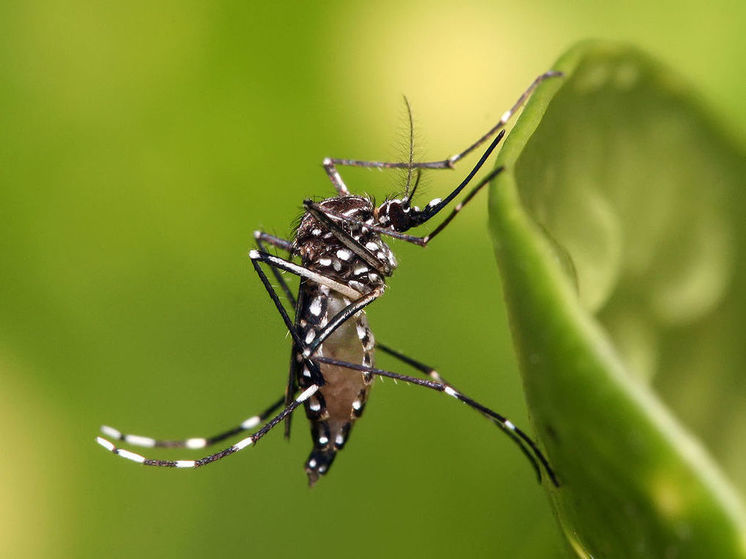
«Ticks and mosquitoes don't just carry pathogens,» explains virologist Erol Fikrig. «Their saliva serves multiple purposes when it interacts with the human host.»
To conduct the analysis, the team screened the yeast library of human protein displays with Nest1, a protein in Aedes aegypti mosquito saliva that they had identified as important in previous studies.
The scientists demonstrated that Nest1 interacts with human CD47, an immune receptor found on the surface of many cells in the body. CD47 controls several immune processes, including those that protect certain cells and destroy others.
“This interaction shows that the mosquito is trying to change the biological functions controlled by CD47,” says Alejandro Marín López. ”We saw that Nest1 suppresses some of these functions, such as phagocytosis, immune cell migration and the inflammatory response. These changes contribute to increased viral replication in the skin.”
«The interaction between CD47 and SIRPA has been studied for many years, and drugs for the prevention of cancer and atherosclerosis are being developed based on this interaction,» Fikrig concludes. «It is possible that this mosquito protein, which is superior to SIRPA, could lead to new and better treatments for these and other diseases.»